Pundayschool · Episode 35 companion
The Aesthetic Quiet Time: a devotional for anyone who has staged the photo better than they have said the prayer
A quick devotional for busy people: 3 to 5 minutes, start to finish. Read it or listen to it, whichever fits your morning: a coffee break, a commute, or the two minutes before the rest of the house wakes up. When you reach the bottom, you have done today's devotional.
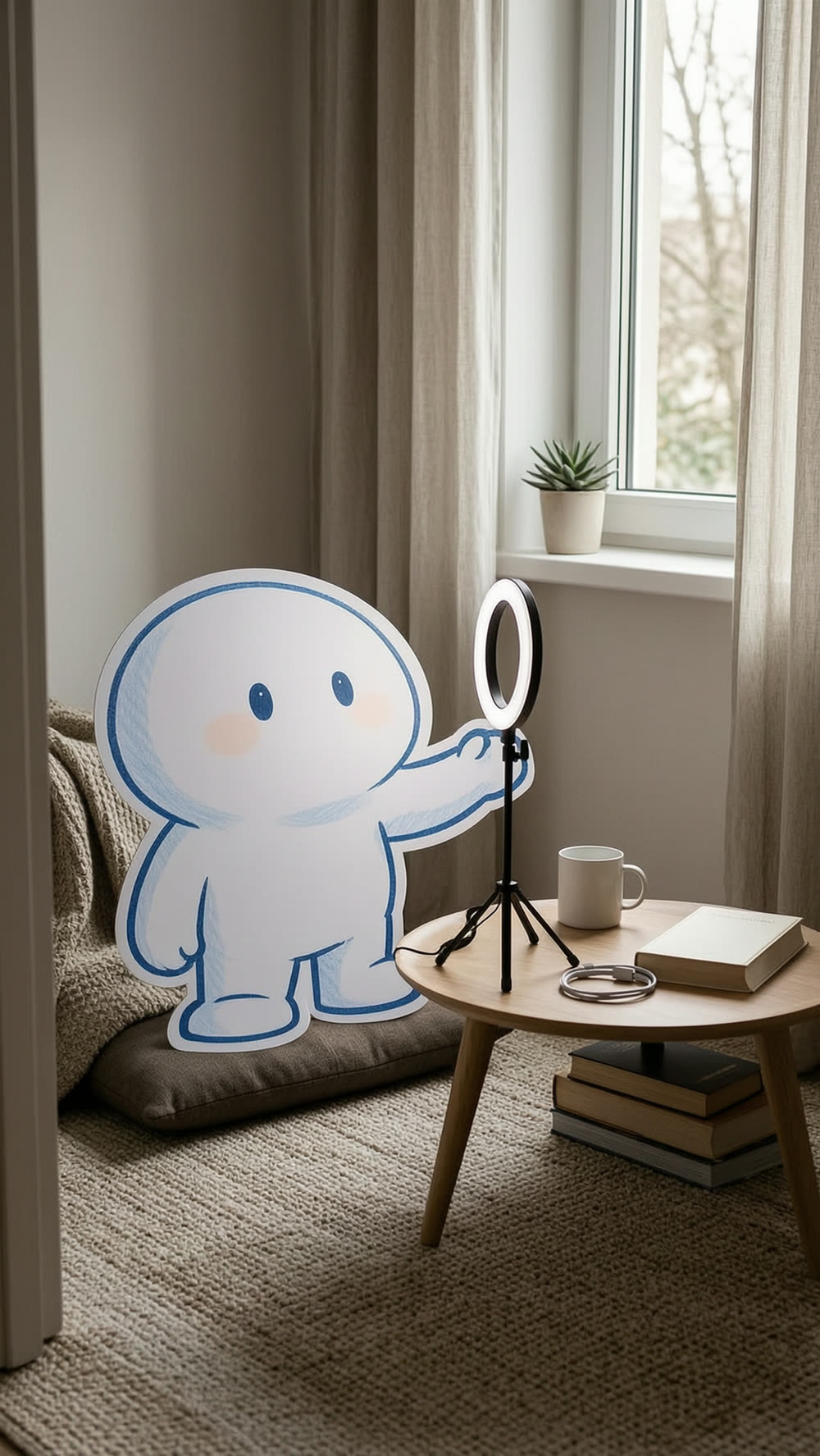
This devotional, from Pundayschool Episode 35, "The Aesthetic Quiet Time," teaches that a quiet time staged for an audience is not the same thing as a quiet time. Its verse is Matthew 6:5-6 (NIV): people who pray to be seen "have received their reward in full," but the one who prays behind a closed door prays "to your Father, who is unseen," and "your Father, who sees what is done in secret, will reward you." We did not want to be alone with God. We wanted the group chat to see us being alone with God. Nobody was watching through that door but the Father who already loves what he sees.
Press play: watch the short
"The Aesthetic Quiet Time" is on its way to YouTube, TikTok, Instagram, and Facebook at @pundayschool. Check back soon, or follow along there so you do not miss it.
Not the street corner, not the window: reading Matthew 6:5-6
"But when you pray, go into your room, close the door and pray to your Father, who is unseen. Then your Father, who sees what is done in secret, will reward you."
Matthew 6:6, NIV
Prefer to listen?
Matthew 6:5-6, read aloud in the King James Version. About 30 seconds.
We have the best-lit quiet time in the whole group chat. Coffee at the perfect angle. Bible turned to a verse that photographs well. Even the highlighter color gets picked for the photo, not the verse. Enough shots that we forget to actually read it.
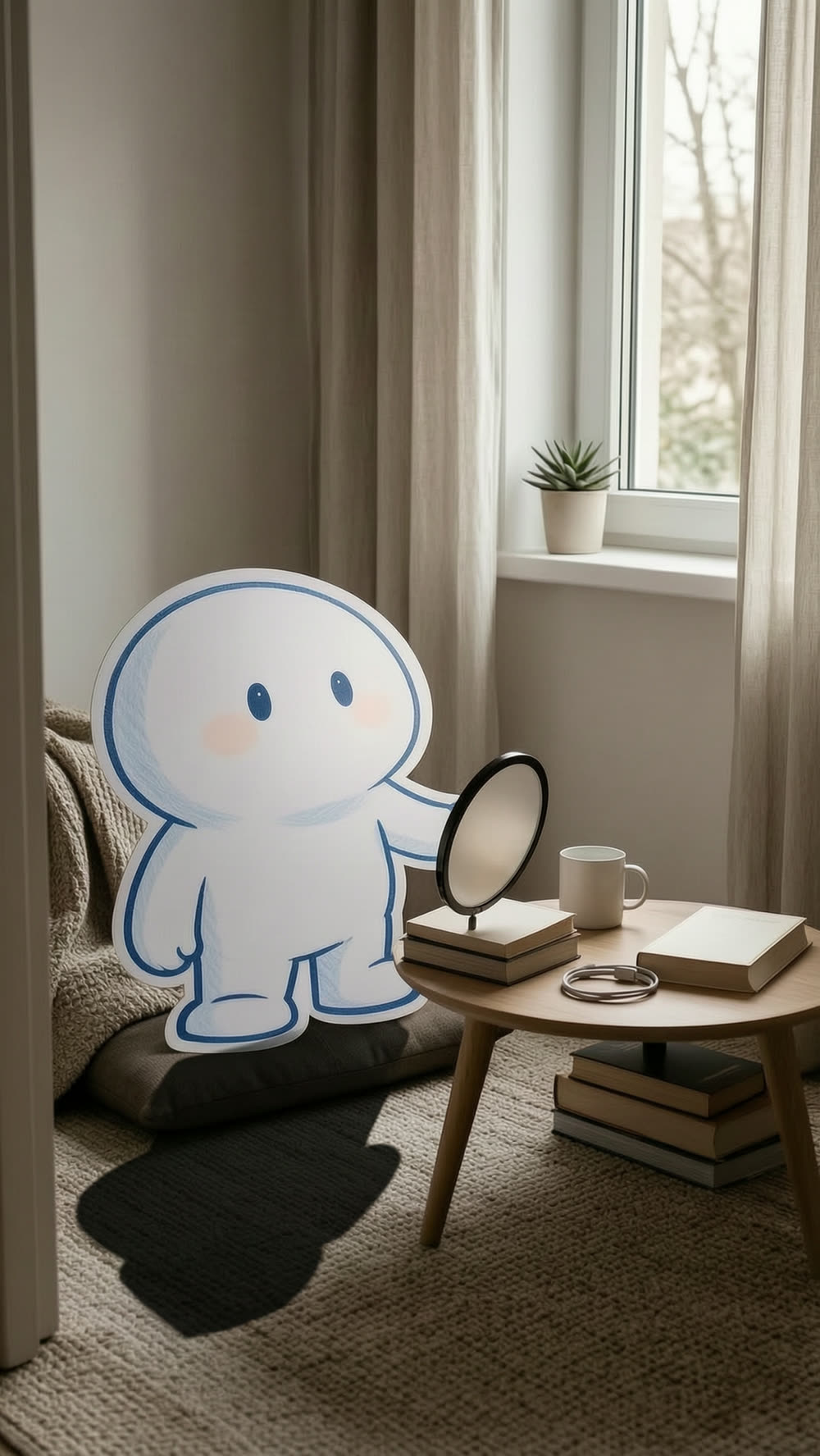
Post it. Caption it. Then close the Bible. We did not spend twenty minutes with God. We spent twenty minutes on lighting.
Jesus does not say the problem is staying home instead of the street corner. He says the people who pray to be seen have already received their reward in full: the whole reward they were actually after. The reward he is offering comes from a different Father, for a different audience, the one who sees what is done in secret.
Nobody was watching through that door but the Father who already loves what he sees.
The photo versus the prayer: honest questions
Not shame, just three quiet questions, between us and God.

- What is the "photo" you keep taking instead: the post, the caption, the moment you perform, that quietly stands in for the thing itself?
- If nobody but God would ever see it, how much would actually change about how you pray, read, or show up?
- Whose reward have you actually been collecting: the one the crowd hands out, or the one only the Father who sees in secret gives?
Shutting the door: a short prayer
Pray it slowly, in these words or your own.
Father, thank you that you were never waiting for a better photo, only an honest closed door. Forgive me for the reward I kept collecting from an audience instead of from you. Show me the door I keep leaving open for people to watch me pray, and give me the grace to actually close it. Thank you that you already see, and already love what you see. Amen.
Closing the door: a step for today
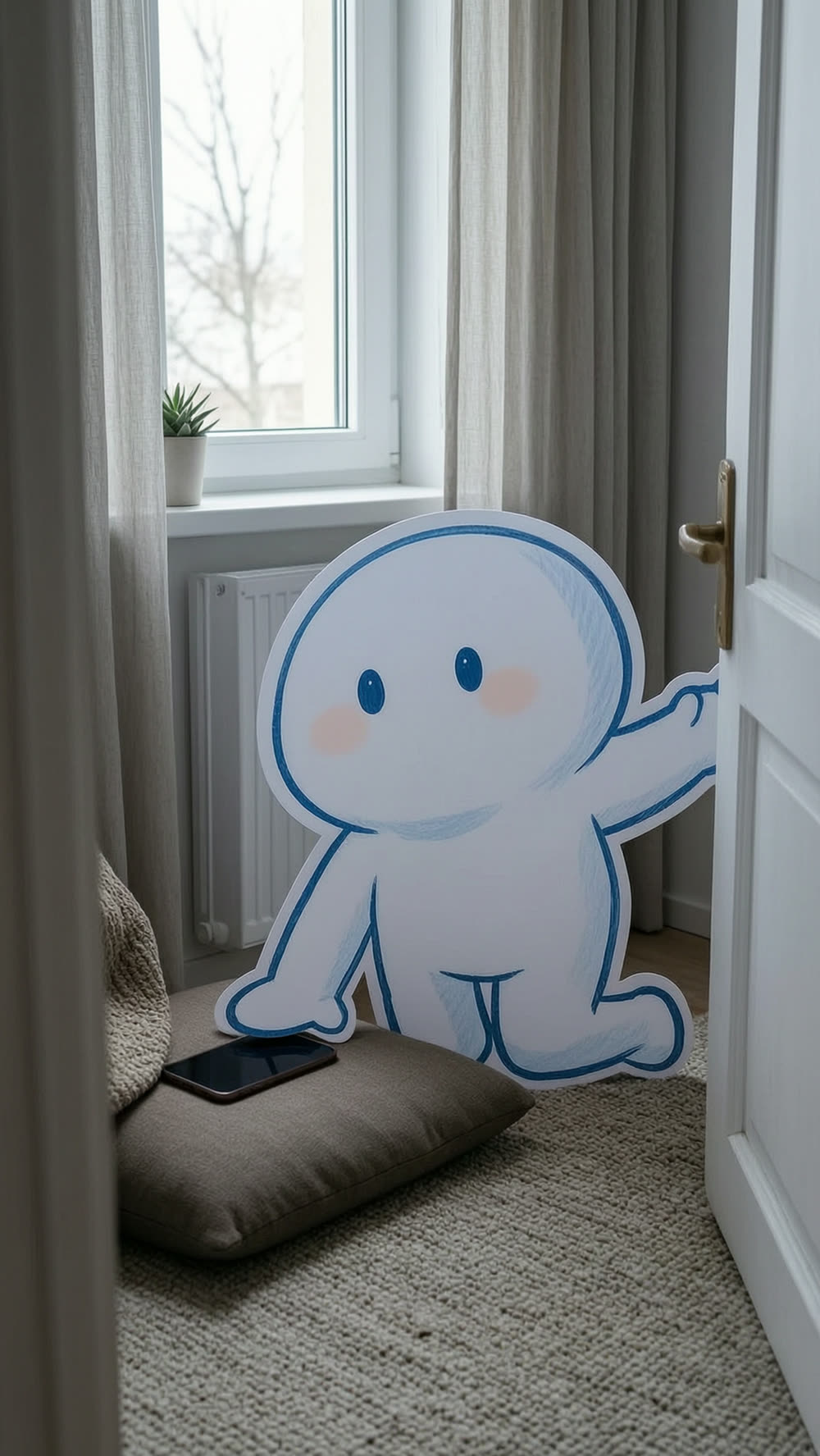
The episode ends with the smallest possible action: no photo, just a door closing.
Name one place today where you have been performing a quiet time instead of having one. Then do that same thing again, this time with the door shut: literally, or just phone face-down, out of frame. Nobody has to see it work for it to actually be working.
If you cannot name it yet, start smaller: ask who you were picturing watching, the last time you prayed, read, or posted about either.
Full stop
That is the whole devotional. No follow-up task, nothing to sign up for. If one line stuck with you, say it back to God once more before the day picks up speed. The door can stay wherever it already is. You have done today's devotional.
More questions
What does Matthew 6:5-6 mean?
This is Jesus teaching on prayer in the Sermon on the Mount. He contrasts people who pray to be seen by others in public, who he says have already received their full reward, with prayer done privately, in secret, where God himself is the only witness and the only one who rewards it.
What is the reward Jesus is talking about?
For the hypocrites in verse 5, the reward is the attention itself: being seen praying, admired for it, done. That reward is real, it is just small, and it is already paid in full the moment people notice. The reward Jesus offers in verse 6 comes from the Father instead, and it is not paid out in attention.
Is it wrong to ever pray or post about faith in public?
No. Jesus is describing a motive, not a location. The problem is not being seen, it is arranging to be seen, so the being-seen becomes the point. The same public post can come from either motive. Only you and God actually know which.
What does "shutting the door" look like today, without a literal prayer closet?
Anything that removes the audience: putting the phone away, choosing not to post it, or simply not mentioning it to anyone afterward. The test is not privacy for its own sake, it is whether you would still do it if no one would ever know.
Where can I watch The Aesthetic Quiet Time?
Right at the top of this page once it is live, or on YouTube, TikTok, Instagram, and Facebook at @pundayschool.