Pundayschool · Episode 9 companion
The Fruit We Never Bring Home: a devotional for the ones who abandon the cart
A quick devotional for busy people: 3 to 5 minutes, start to finish. Read it or listen to it, whichever fits your morning: a coffee break, a commute, or the two minutes before the rest of the house wakes up. When you reach the bottom, you have done today's devotional.
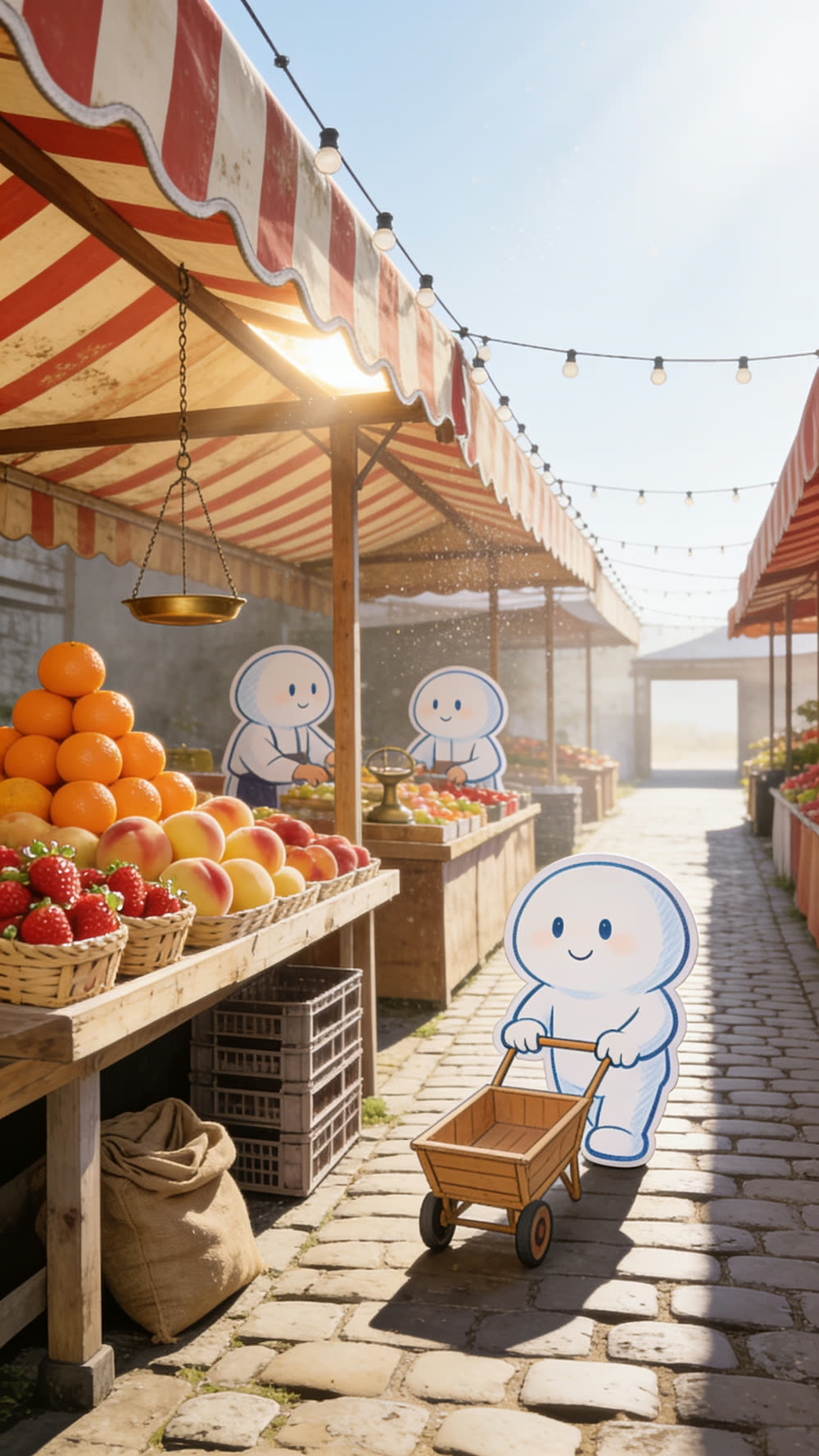
This devotional, from Pundayschool Episode 9, "The Fruit We Never Bring Home," is built on Galatians 5:22-23. Paul does not hand us a menu of nine separate fruits to pick from: "the fruit of the Spirit is love, joy, peace, forbearance, kindness, goodness, faithfulness, gentleness and self-control" (NIV) is one list, one fruit, singular. We happily load the cart with the easy ones and quietly find an excuse the moment we reach patience or forgiveness, so the question to carry into today is not "which fruit do I enjoy" but "which one have I been leaving on the shelf?"
Into the lane: watch the short
Pundayschool · EP 09 · 66 seconds
The Fruit We Never Bring Home
Joy, peace, and kindness go straight in the cart. Patience gets the world's fastest excuse.
Ripening soon
The short has not ripened yet. The day it goes live at @pundayschool, the video will play right here. The devotional below stands on its own, so read on.
Coming to YouTube · TikTok · Instagram · Facebook
Down the lane: reading Galatians 5:22-23
"But the fruit of the Spirit is love, joy, peace, forbearance, kindness, goodness, faithfulness, gentleness and self-control. Against such things there is no law."
Galatians 5:22-23, NIV
Prefer to listen?
The wider passage, Galatians 5:16 to 25, read aloud in the King James Version. About a minute and a quarter.
Picture the fruit market as a kind of moral obstacle course. Joy? Straight in the cart. Peace? Load it up. Kindness? Absolutely, put it right on top. We are fluent shoppers all the way down this end of the lane: cheerful, quick, no negotiating. Then the lane reaches patience, and something always comes up. "Oh no, I left the stove on." Self-control gets its own excuse: "I forgot my money." And by the time we reach forgiveness, we do not even bother with a line. We just quietly abandon the cart.
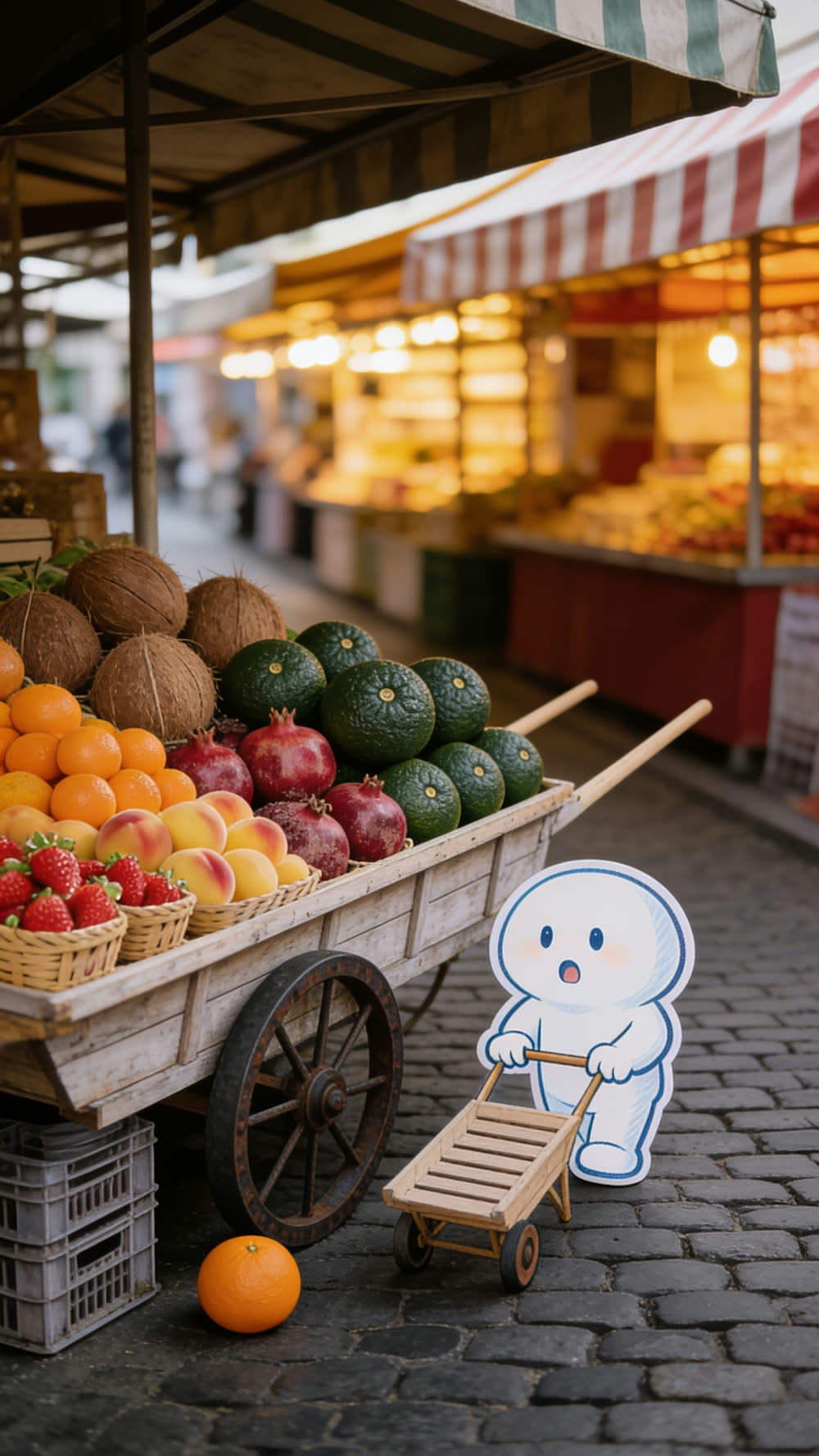
Here is the line doing the real work in this passage, and it is easy to read straight past it. Verse 19 calls the ugly list, the works of the flesh, plural: works, a pile of separate items. But verse 22 calls the beautiful list the fruit of the Spirit, singular. Not fruits. One fruit. Paul is not laying out a buffet where we fill our plate with the parts we like and walk past the rest. He is describing one harvest, growing from one root, and patience is not a different, duller fruit sitting on a separate shelf from joy. It is the same fruit, on the same branch, simply not ripe yet.
That is the whole reason the cart matters. We are not being asked to go and find nine different plants and somehow grow them all ourselves. We are being asked to stop walking past the ones that are still green, and let the same Spirit who grew the easy fruit finish growing the hard fruit too.
We love the fruit of the Spirit. Especially the ones that don't inconvenience us.
The stall you always find an excuse at: honest questions
Every one of us has a stall where the cart suddenly needs to be somewhere else. Nobody is being caught out here. Just three quiet questions, between us and God.
- Which fruit do I load into the cart without a second thought, and which one makes me suddenly remember somewhere else I need to be? What is my actual excuse, if I am honest about it?
- If patience is not a different fruit from joy, just the same fruit not yet ripe, what changes about how I think of the hard seasons? Am I waiting for a harder assignment, or watching the same harvest still growing?
- Whose forgiveness have I been leaving on the shelf, telling myself I will come back for it another day? What is actually stopping me from putting it in the cart this week?
The grove: a short prayer
Heads bowed over an open cart. Pray it slowly, in these words or your own.
Father, thank you that your Spirit does not grow a pick-and-mix. Thank you that joy and patience, kindness and forgiveness, all come from the same root. Forgive me for the stalls I have hurried past, for the cart I have abandoned more times than I would like to count. Show me the fruit I keep leaving behind, and give me the courage to let it ripen instead of walking away from it. I do not have to force it to grow. You do the growing. Amen.
One step for today: put it in the cart
The lane has not closed yet. There is still time to do one small thing today.
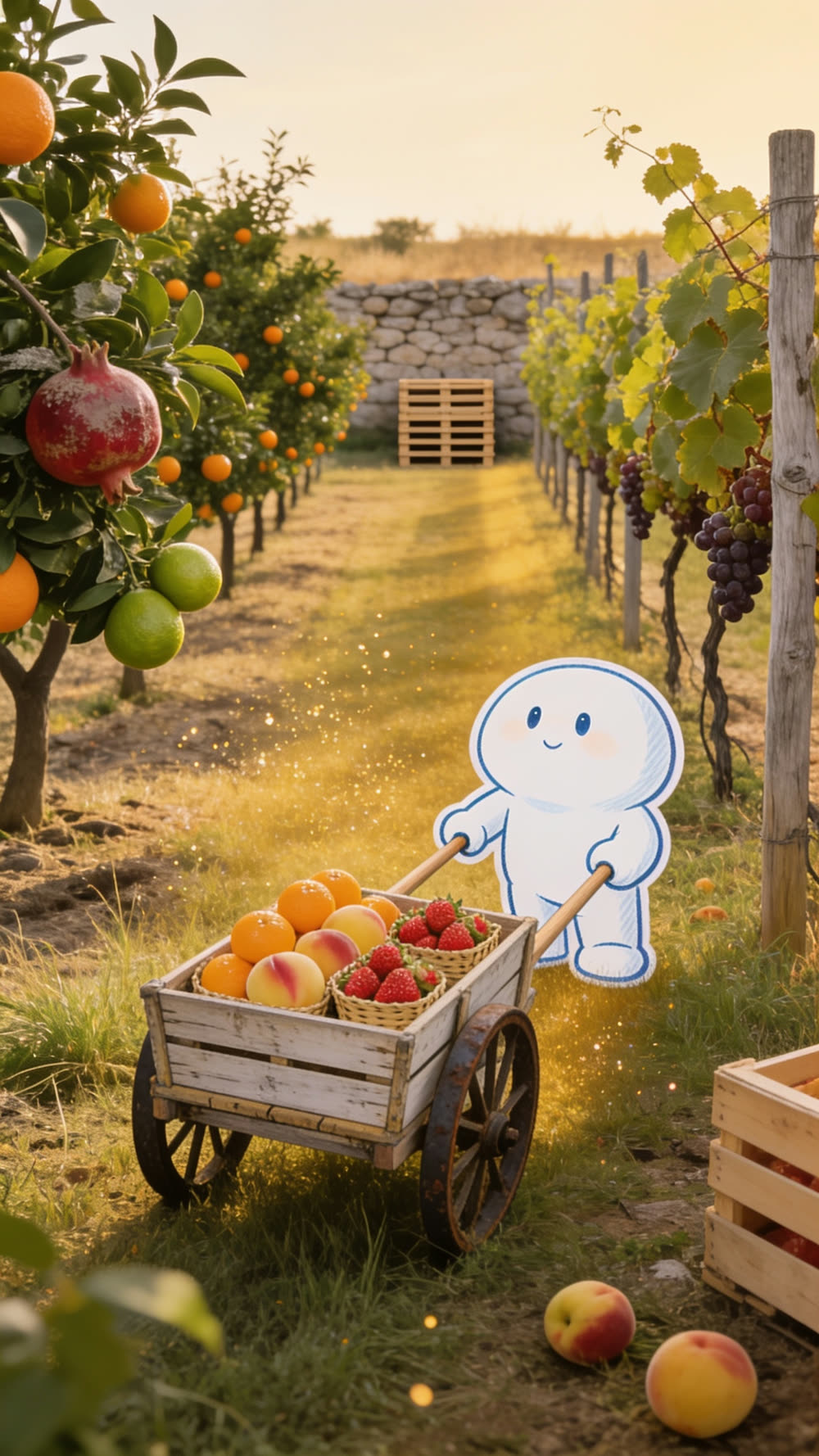
Name the fruit you keep walking past. Not the whole list. One. Patience with a particular person, self-control with a particular habit, forgiveness for a particular thing that still stings. Then do the smallest possible version of it today. Send the text. Wait the extra minute. Let the comment go unanswered. It does not have to be the whole ripe fruit yet. It only has to be in the cart.
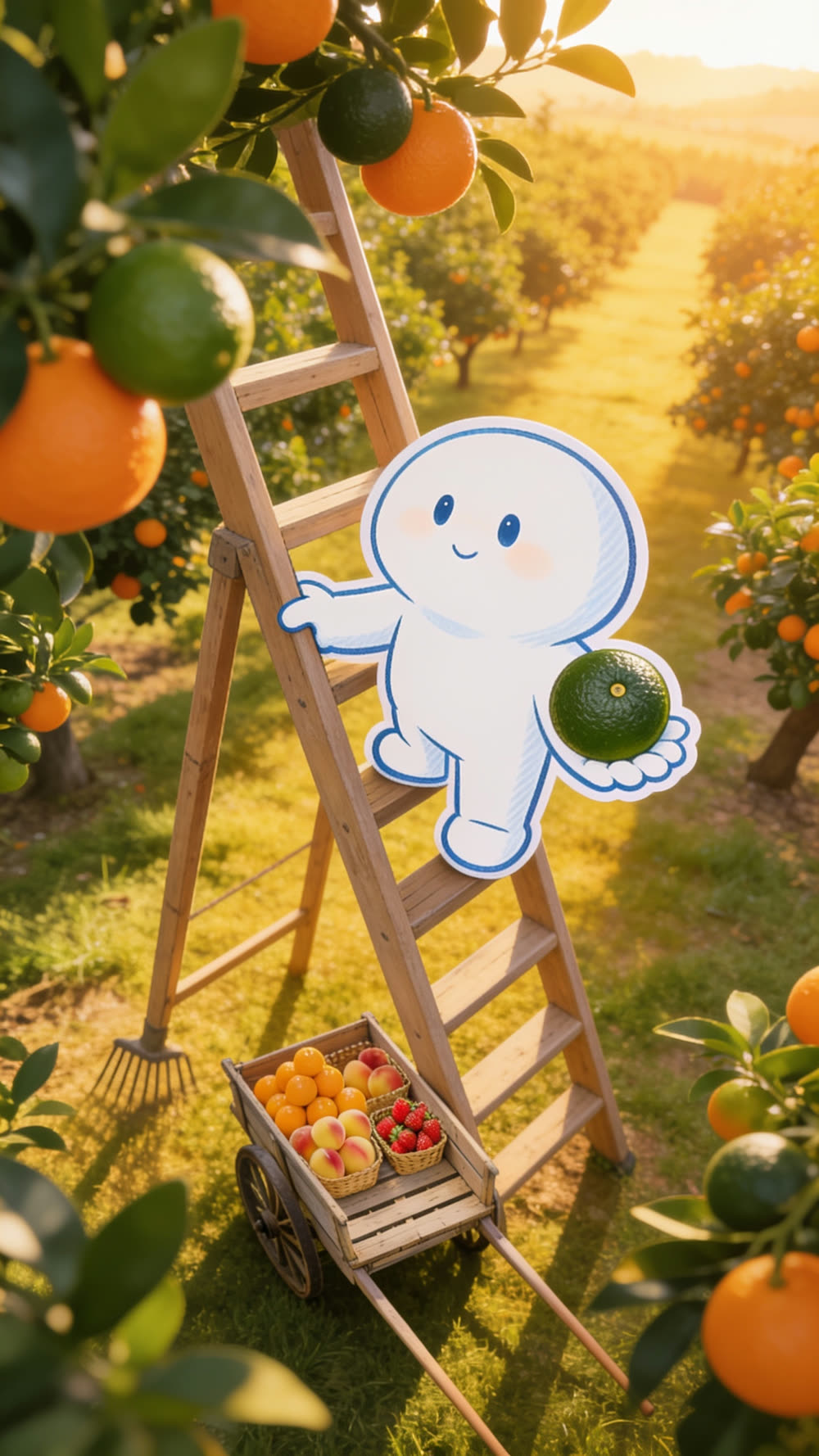
And if you are already carrying a full cart of the easy fruit and quietly proud of how far you have come: today's step is the same, aimed at yourself. None of this is meant to grow because you tried harder. He does the growing. Your part is simply to stop walking past the stall.
That's the whole harvest
That is the whole devotional. No extra reading, no follow-up task, nothing to sign up for. If one line stuck with you, say it back to God once more before today picks up speed. That counts. You have done today's devotional.
Still on the shelf: questions people ask
What does Galatians 5:22-23 mean?
Paul is closing out a section that contrasts two ways of living: led by our own worst impulses, or led by the Spirit. Verses 19 to 21 list the works of the flesh, and verses 22 to 23 list what grows instead when the Spirit is genuinely at work in someone: love, joy, peace, forbearance, kindness, goodness, faithfulness, gentleness, and self-control. In practice it means none of these traits are things we manufacture by sheer effort. They are fruit, meaning they grow, given time and the right root.
Why does the Bible call it the fruit of the Spirit and not the fruits of the Spirit?
In the original Greek, the word is singular, fruit, while the list just before it, the works of the flesh in verse 19, is plural. That is not an accident of translation. Paul pictures one harvest, growing together from one source, rather than nine separate items we can pick and choose between. You do not get to take joy and leave forgiveness on the shelf.
What does "the fruit we never bring home" mean?
It is this devotional's way of naming a habit most of us recognize once it is said out loud: we happily receive the fruit of the Spirit that costs us nothing, joy, peace, kindness, and quietly avoid the fruit that does cost us something, patience, self-control, forgiveness. The short pictures this as a cart filled at the easy stalls, then abandoned the moment the lane gets hard.
What if I keep abandoning the cart at the same fruit every time?
Then you have found exactly where this devotional is for you. The good news in Galatians 5 is that none of this fruit is something you grow by gritting your teeth. It is the Spirit's fruit, not yours to manufacture. Your part is small: stop walking past the stall, put the smallest honest version of it in the cart, and let him do the actual growing.
Where can I watch The Fruit We Never Bring Home?
Episode 9 goes live soon at @pundayschool on YouTube, TikTok, Instagram, and Facebook, and the video will be embedded at the top of this page the day it posts. Bookmark this page or follow @pundayschool to catch it first.