Pundayschool · Episode 14 companion
The Sermon Dodgeball: a devotional for whoever the point was actually for
A quick devotional for busy people: 3 to 5 minutes, start to finish. Read it or listen to it, whichever fits your morning: a coffee break, a commute, or the quiet minute before the rest of the house wakes up. When you reach the bottom, you have done today's devotional.
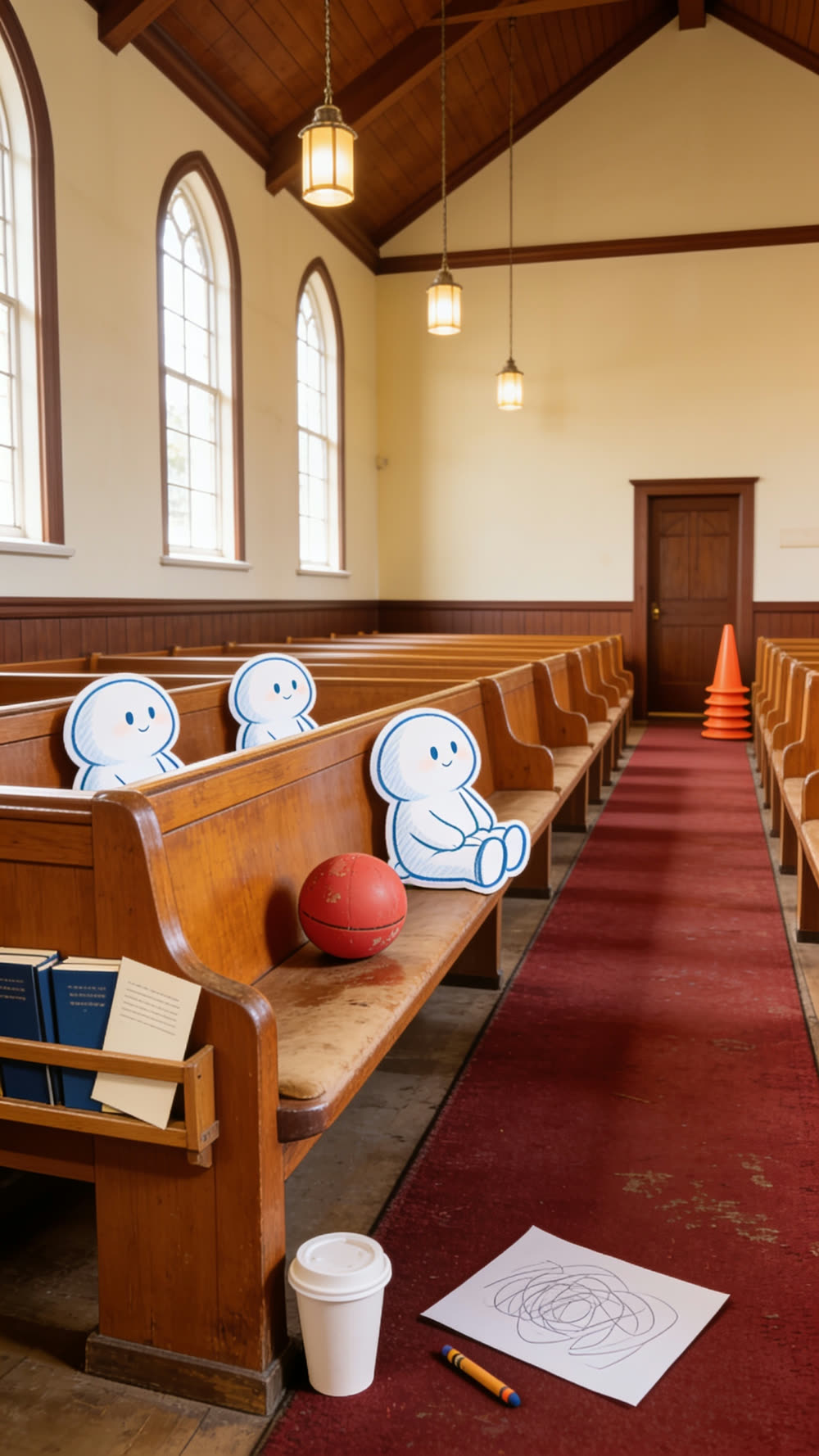
This devotional, from Pundayschool Episode 14, "The Sermon Dodgeball," teaches that we cannot out-duck conviction by relocating it onto whoever is sitting behind us. Its verse is Proverbs 21:2, NIV: "A person may think their own ways are right, but the LORD weighs the heart." A sermon's point is not a dodgeball thrown to knock us down; it is aimed at our own heart because that is what it is trying to heal. So next time a point has our name on it, the move is not to duck. It is to sit up and let it land.
First, watch the short
Pundayschool · EP 14 · 83 seconds
The Sermon Dodgeball
Early service. Three of us. Nowhere to hide.
Watch on YouTube ↗Round one: reading Proverbs 21:2
"A person may think their own ways are right, but the LORD weighs the heart."
Proverbs 21:2, NIV
Prefer to listen?
The wider passage, Proverbs 21:1 to 3, read aloud in the King James Version. About 20 seconds.
Picture the early service. Just three of us in the room, in pews built for a crowd that has not shown up yet. No one to hide behind, and nowhere to hide anyway.
Then the pastor makes a point. Specific. It has our name on it.
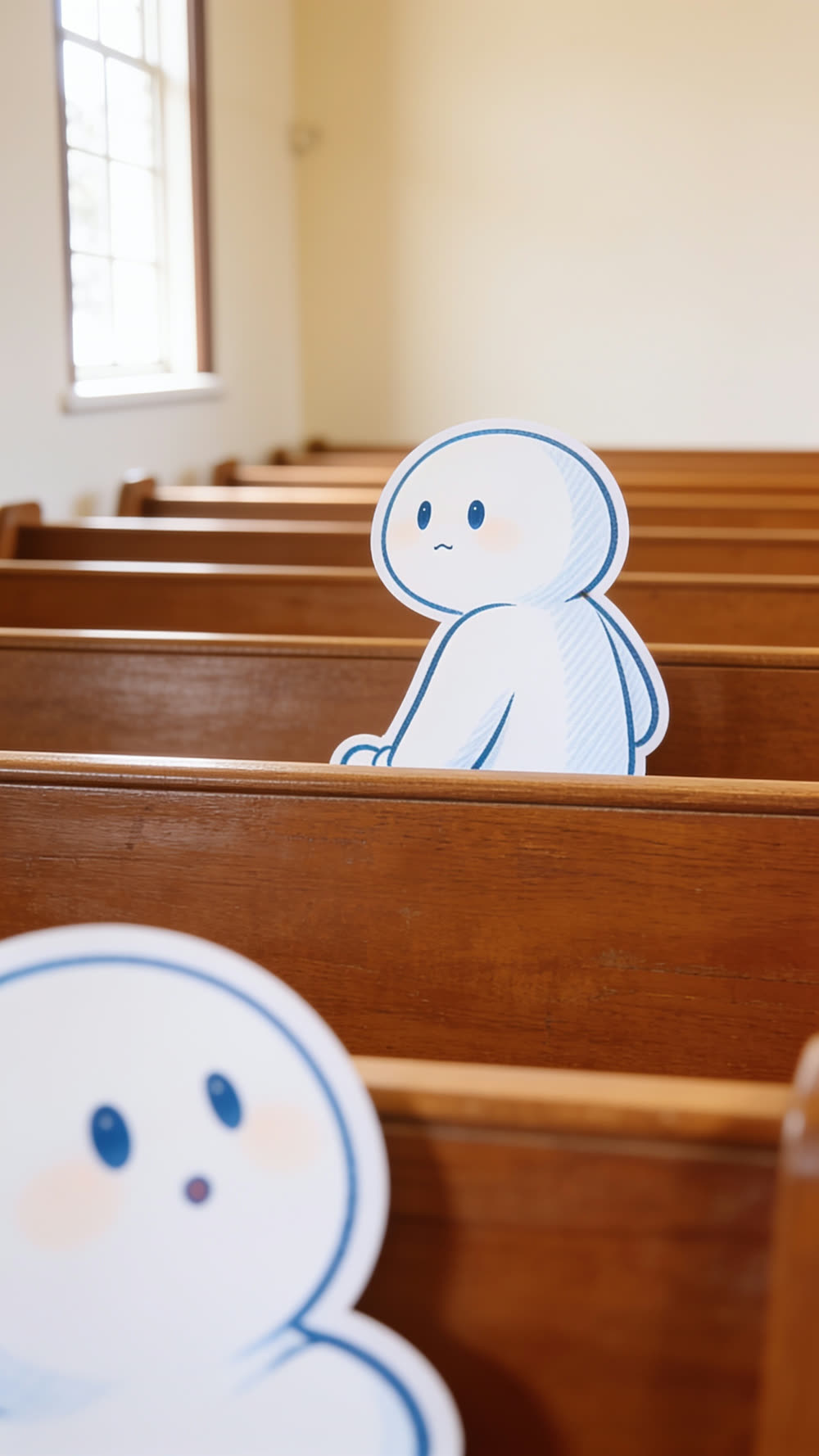
Something in us does not want that. Part of us hopes it is not for us, hopes somebody else needs it more. So we do the spiritual thing. We duck. We slide down the pew until only our eyes clear the wood, studying the grain like it is scripture.

The point sails right over our head and lands in the row behind us instead. Oh, someone back there is going to be so convicted by that. There. Somebody heard it. We feel better already. We even glance back. Pastorally, like we heard it for their sake.
Here is the trouble with dodging: you can spend the whole sermon deciding who the point was for, and walk out as the one person it was for.
You can spend the whole sermon deciding who the point was for, and walk out as the one person it was for.
Proverbs puts words to exactly this instinct: "A person may think their own ways are right, but the LORD weighs the heart." We are naturally convinced our own ways are fine, so conviction always seems to have someone else's name printed on it. But the heart God is weighing in that verse is not theirs. It is ours.
God's word is not a dodgeball thrown to knock us down. It is aimed at the heart, because that is what it is trying to heal.
Time-out: honest questions
No one throws hard questions in this dressing room. Just three quiet ones, between us and God.
- Think of the last time a sermon point landed close to home. Did we quietly relocate it onto someone else in the room, even just for a second?
- What does our own "pastoral glance" look like? The moment we decide, without being asked, that a point was really meant for somebody behind us?
- If we let this particular point land on us today instead of ducking it, what would actually change by tonight?
The huddle: a short prayer
Heads down, no more glancing back. Pray it slowly, in these words or your own.
Father, thank you that your word is aimed at healing, not at knocking us down. Forgive us for the sermons we have spent deciding who a point was really for, and for the pastoral glances we have given the row behind us instead of looking at our own hearts. When your word finds us today, give us the honesty to stop ducking. Help us sit up, and let it land. Amen.
Round two: one step for today
The final whistle has not gone. There is a whole second round today, and it needs exactly one thing from us.
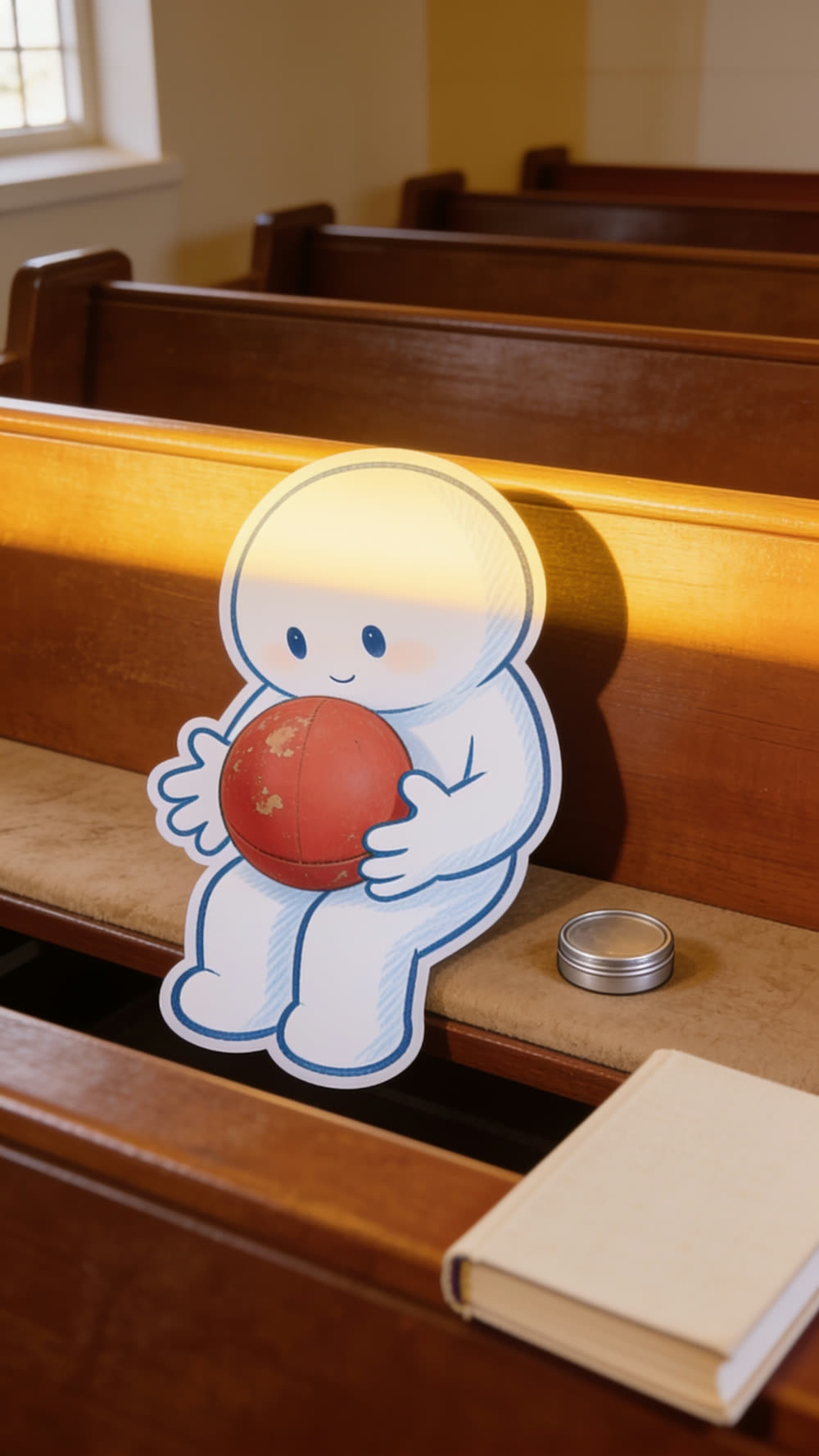
The next time a point has our name on it, do not look behind us. No searching the row behind for who needs to hear it more. No pastoral glance. Just sit up, and let it land.
And if it helps in the moment, say it back to yourself plainly: this one is mine.
Full time
That is the whole devotional. No extra reading, no follow-up task, nothing to sign up for. If one line stuck with us, we can say it back to God once more before the day picks up speed. That counts. We have done today's devotional.
Extra throws: questions people ask
What does Proverbs 21:2 mean?
Proverbs 21:2 says, "A person may think their own ways are right, but the LORD weighs the heart" (NIV). It is warning us that we are naturally convinced our own ways are fine, so we are the worst judges of our own hearts. God does not grade us on how right we feel; he weighs what is actually there. That is exactly the blind spot that makes it so easy to duck a sermon's point onto someone else.
What is "sermon dodging"?
It is the reflex Pundayschool Episode 14 pokes fun at: when a sermon's point gets specific, we quietly relocate it onto whoever is sitting behind us, the person it was "really" for, and feel relieved instead of convicted. It is not a doctrine, just an honest name for something most of us have done without noticing.
Why compare a sermon's point to a dodgeball?
Because a dodgeball is something you either catch or dodge, and dodging feels like a win in the moment. Scripture is not playing that game, though. It is not thrown to knock us down or to score a point off us; it is aimed at the heart because that is the part it is trying to heal.
What if a sermon point really was meant for somebody else?
Sometimes it is. Not every word in a sermon lands the same way on every person in the room. The devotional is not asking us to take on guilt that is not ours. It is asking us to notice the reflex: the instinct to assume it is for someone else before we have honestly asked whether it is for us.
Where can I watch The Sermon Dodgeball?
Episode 14 is live now at @pundayschool on YouTube, and the video is embedded at the top of this page. It's coming soon to TikTok, Instagram, and Facebook too.