Pundayschool · Episode 10 companion
The Very Urgent Prayer: a devotional for anyone who just asked God for patience
A quick devotional for busy people: 3 to 5 minutes, start to finish. Read it or listen to it, whichever fits your morning: a coffee break, a commute, or the two minutes before the rest of the house wakes up. When you reach the bottom, you have done today's devotional.
This devotional, from Pundayschool Episode 10, "The Very Urgent Prayer," looks at James 1:2-4 and the prayer "Lord, give me patience." Patience is not usually handed over as a feeling. James says it grows through testing, so the very inconvenience that shows up right after we pray for it, slow traffic, a page that will not load, a friend who is still "five minutes away" twenty minutes later, might be the answer starting to work rather than proof the prayer was ignored. Today's step is simple: notice the next wait as training, not interruption.
Watch the short first
Pundayschool · EP 10 · 73 seconds
The Very Urgent Prayer
I asked for patience. I got traffic.
Posting soon
The short has not posted yet. The day it goes live at @pundayschool, the video will play right here. The devotional below stands on its own, so read on.
Coming to YouTube · TikTok · Instagram · Facebook
Reading James 1:2-4
"Consider it pure joy, my brothers and sisters, whenever you face trials of many kinds, because you know that the testing of your faith produces perseverance. Let perseverance finish its work so that you may be mature and complete, not lacking anything."
James 1:2-4, NIV
Prefer to listen?
James 1:2-4, read aloud in the King James Version. Under 30 seconds.
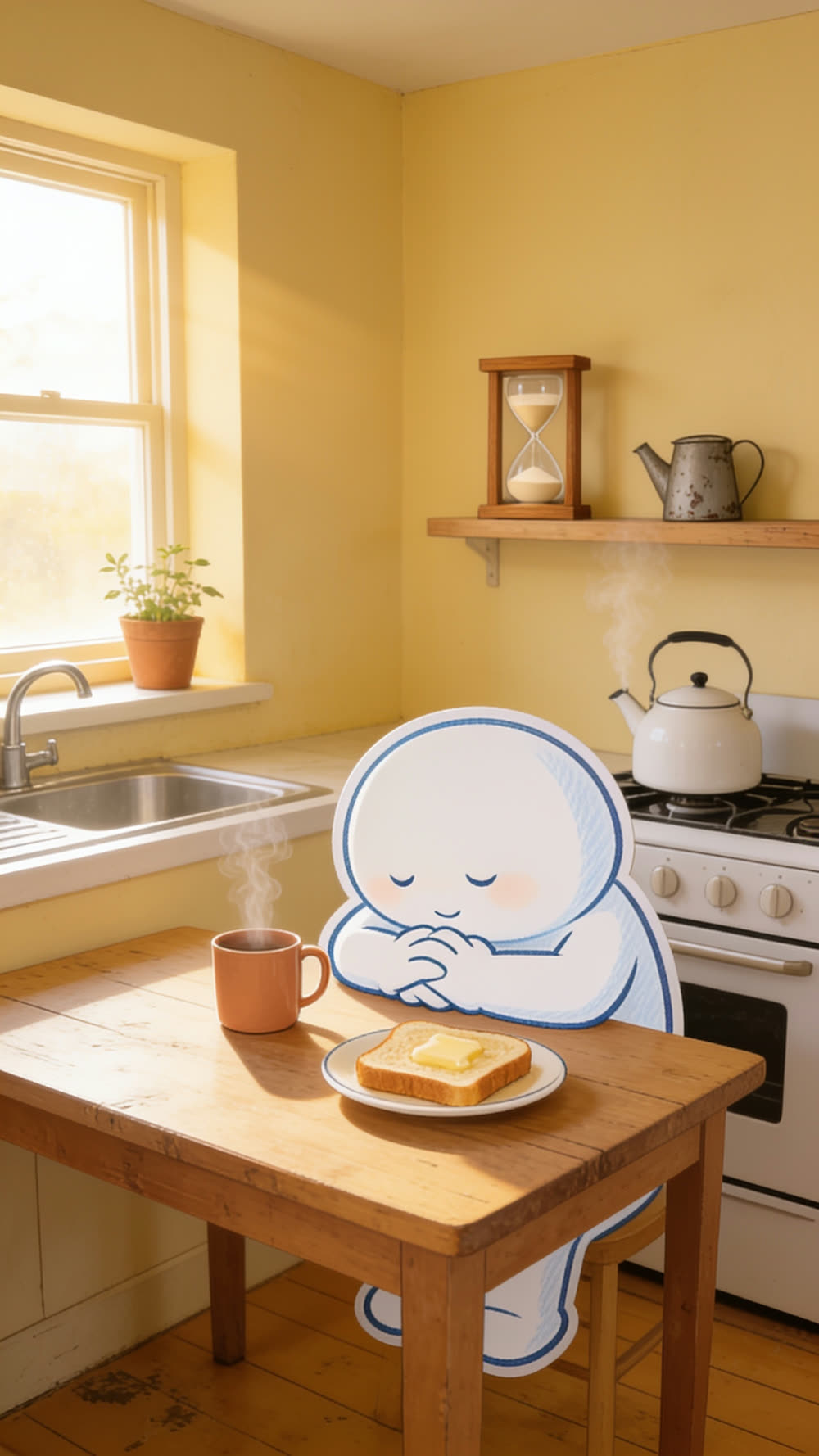
Picture the prayer. It sounds so reasonable, first thing in the morning, half a slice of toast still in hand: "Lord, give me patience." We say it like ordering a feeling off a menu, something that should just arrive, calm and ready made, the way sugar arrives in a mug of coffee.
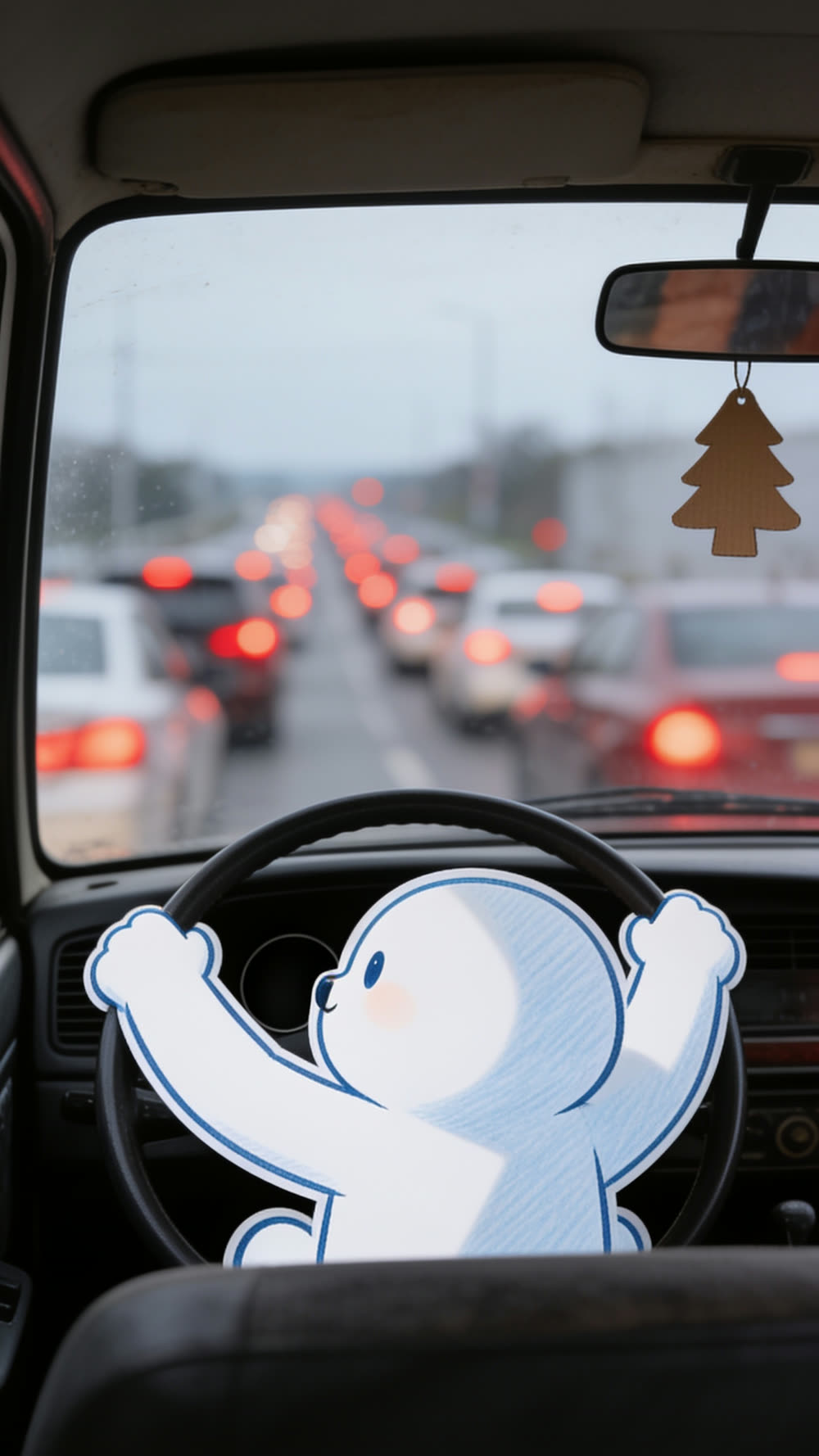
Then, somehow, the traffic stops moving. The page keeps loading. A friend who was "five minutes away" is still five minutes away twenty minutes later. And we are praying again, this time through gritted teeth: "Lord, I said give me patience. I didn't say give me opportunities to practise it."
James chapter one names exactly what is happening, and it is not bad luck. "The testing of your faith produces perseverance." Not a feeling handed down from heaven. A perseverance built the way any strength is built, under load. Patience, it turns out, is not a mood God drops into us on request. It grows the way anything grows: slowly, and only while it is being used.
So the traffic is not evidence the prayer failed. It might be evidence the prayer started. "Lord, give me patience" is one of the most dangerous prayers we can pray, because the fastest way to receive patience is almost always to be handed something that requires it.
Patience doesn't usually arrive as a feeling. It grows while we are being tested.
Three honest questions
No need to answer out loud. Just sit with these for a moment, between you and God.

- What is testing your patience right now, today, this actual week? Traffic, a slow reply, a delay you did not choose?
- Have you been praying for the character, patience, calm, trust, while quietly hoping to skip the training that builds it?
- What would change if you treated the next wait as evidence the prayer is working, not proof it has been ignored?
A short prayer
Pray it slowly, in these words or your own.
Father, thank you that you take our prayers for patience seriously enough to actually answer them. Forgive us for wanting the finished character without the forming of it. When the wait starts today, whatever it is, help us notice it as training instead of interruption. Grow perseverance in us until we are mature and complete, wanting nothing. Amen.
One step for today

There is a whole rest of today left, and it needs exactly one thing from you.
Name the next wait out loud. The next time something makes you wait today, a light, a line, a slow reply, actually say it to yourself: "this is the training, not the delay." You do not need to feel patient in the moment. You only need to notice what is happening and let it do its work.
And if today is not testing you at all, use the quiet to remember the last time it did, and how you are different now because of it. Perseverance is usually easier to see looking backward than forward.
You're done
That is the whole devotional. No extra reading, no follow-up task, nothing to sign up for. If one line stuck with you, say it back to God once more before the day picks up speed. That counts. You have done today's devotional.
Questions people ask
What does James 1:2-4 mean?
James is telling scattered, pressured believers that trials are not a sign God has stepped away. Verse 3 explains why: testing produces perseverance, and verse 4 says perseverance, allowed to finish its work, produces maturity, being complete and lacking nothing. In practice it means the hard thing you are facing right now can be the actual mechanism by which patience gets built into you, not a delay before the real answer arrives.
Why does praying for patience seem to make things harder, not easier?
Because patience is not usually handed over as a finished feeling. James says it is produced by testing, the way muscle is produced by resistance. So praying "Lord, give me patience" and then immediately hitting traffic, a slow line, or a delay is not a coincidence or a punishment. It is very often what the answer actually looks like while it is being built.
Is it wrong to pray for patience if it means facing more trials?
No. James assumes we will keep facing trials either way, and tells us to consider it joy rather than avoid the prayer. The mistake is not praying for patience. The mistake is expecting it to arrive without any testing at all, then feeling let down when the ordinary friction of a normal day shows up right on schedule.
What is "the testing of your faith" in James 1:3?
It is the same idea used for testing metal to prove it is genuine: pressure applied on purpose to show what is really there. James is not only talking about dramatic crises. Traffic, a slow page, a friend who is late, these small everyday frictions count too. They are small tests, and small tests are still tests.
Where can I watch The Very Urgent Prayer?
Episode 10 goes live soon at @pundayschool on YouTube, TikTok, Instagram, and Facebook, and the video will be embedded at the top of this page the day it posts. Bookmark this page or follow @pundayschool to catch it first.