Pundayschool episode 9 companion · The Fruit We Never Bring Home
One Whole Harvest: a Galatians 5:22-23 study guide
The fuller meal behind our 66 second short. Built for a small group evening or a personal hour with a journal. About 40 minutes together, 20 on your own, no seminary required.
- Passage
- Galatians 5:16-25, key verse 5:22-23
- Time
- About 40 minutes with a group, 20 solo
- You need
- A Bible, this page, something to write with
- Works for
- Small groups, youth groups, or one honest person and a journal
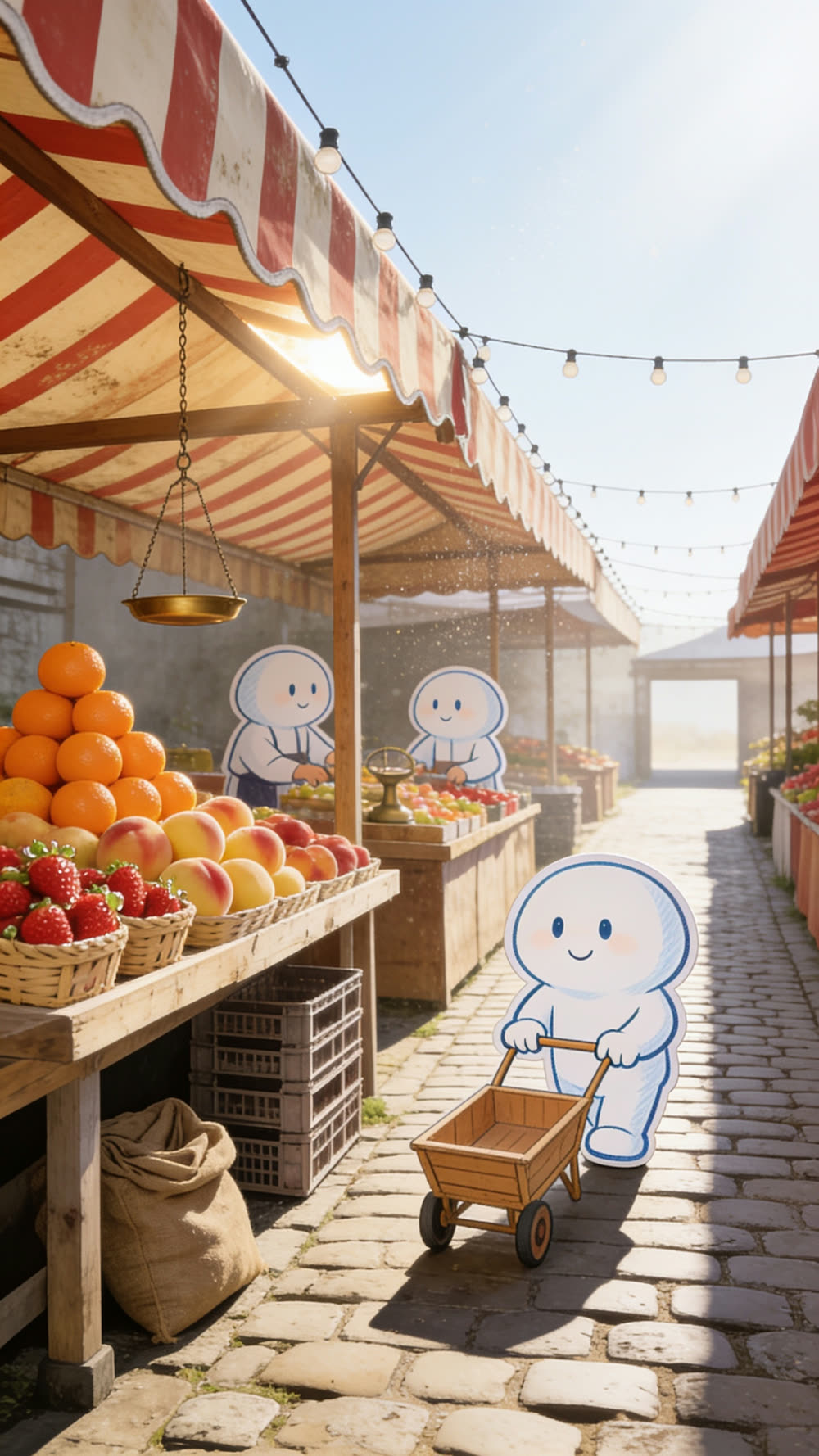
The short answer
Galatians 5:22-23 lists the fruit of the Spirit: love, joy, peace, forbearance, kindness, goodness, faithfulness, gentleness, and self-control (NIV). Paul calls it fruit, singular, not fruits. It is one harvest growing on one root, not nine separate items laid out on a shelf. That means the qualities that come easily to us, like joy and kindness, and the ones that cost us something, like patience and forgiveness, are not different plants. They are the same fruit at different stages of ripeness, all grown by the same Spirit.
First look · 1 min
First, the 66 second version
Episode 9 is still ripening. The Fruit We Never Bring Home lands soon at @pundayschool on YouTube, TikTok, Instagram and Facebook. This study stands on its own, so feel free to start without it.
The premise · 2 min
Why a fruit market
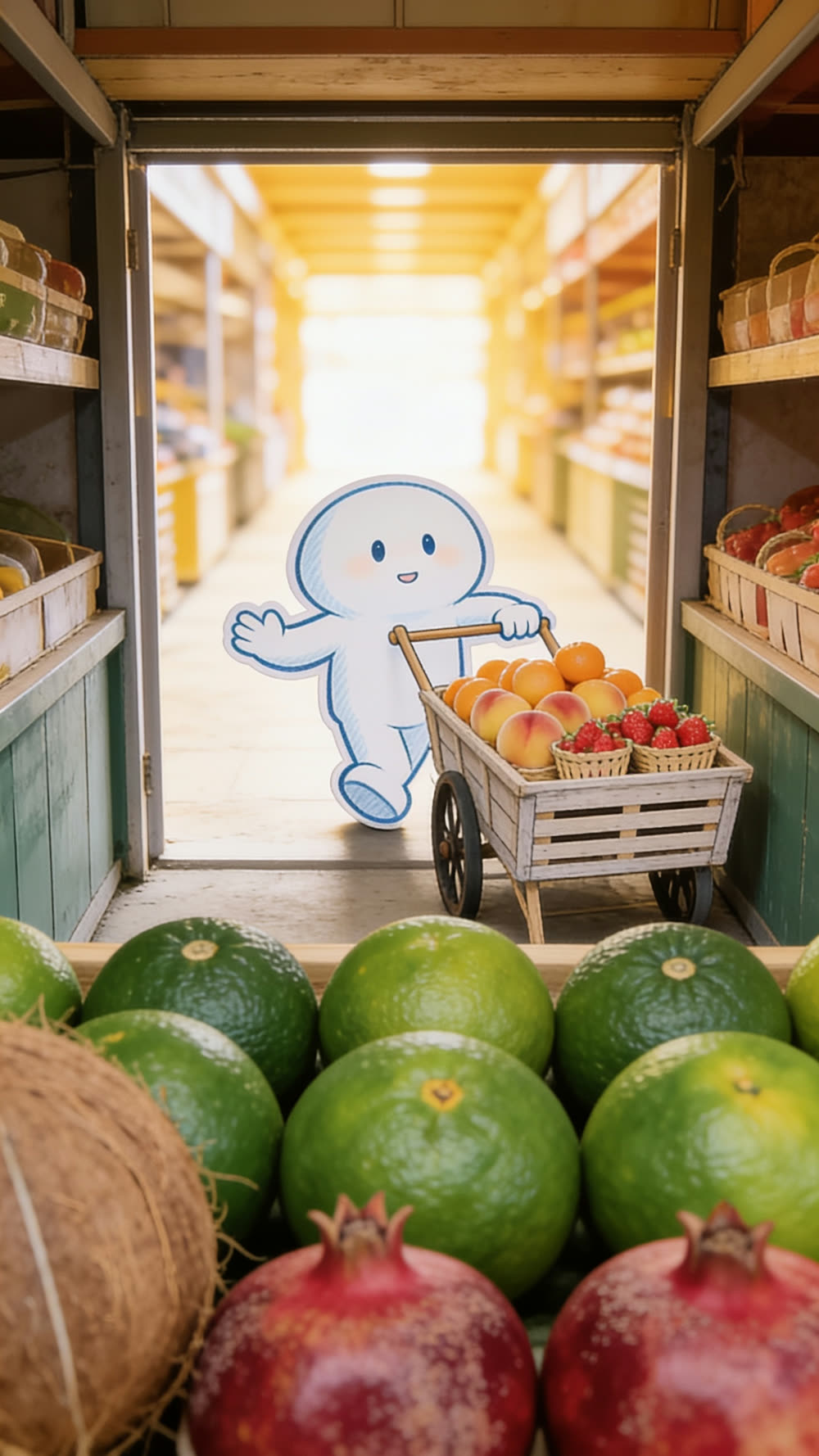
The short imagines the fruit of the Spirit as a trip down a market lane. Joy, peace, and kindness sit at the bright end: easy to want, easy to grab, no negotiating required. Then the lane reaches patience, self-control, and forgiveness, and the excuses arrive on cue. "Oh no, I left the stove on." "I forgot my money." By forgiveness, there is not even a line. The cart just gets left where it stands. Then the whistle blows on the joke: "We love the fruit of the Spirit. Especially the ones that don't inconvenience us."
It is funny because it is us. And Paul is writing about this exact habit two thousand years earlier, to churches in Galatia working out what following Jesus actually costs them day to day. That letter is where this study lives.
Background · 5 min
What was going on in Galatia
Galatians is Paul's most urgent letter. Churches he had planted across the Roman province of Galatia were being told by newcomers that faith in Jesus was not quite enough, that real belonging required keeping parts of the Jewish law too, starting with circumcision. Paul's answer, across six chapters, is that we are set free by the Spirit, not by rule keeping, and Galatians 5 is where that argument turns practical. If we are free, what stops that freedom from becoming an excuse to simply please ourselves?
Paul's answer is not a longer list of rules. It is a picture of two harvests. Verses 19 to 21 list the works of the flesh: obvious, easy to catalogue, and Paul's word for them, works, is plural, a pile of separate things a person does. Verses 22 to 23 list what grows instead when someone is genuinely walking with the Spirit, and here Paul's word changes. Fruit. Singular. Not a checklist of separate behaviours to tick off, but one harvest, growing together, from one root.
That small grammar choice carries the whole weight of this study. A law can be kept item by item, one rule at a time, some obeyed and others quietly ignored. A fruit cannot. You cannot grow half a tree.
Read · 5 min
Read the passage: Galatians 5:16-25
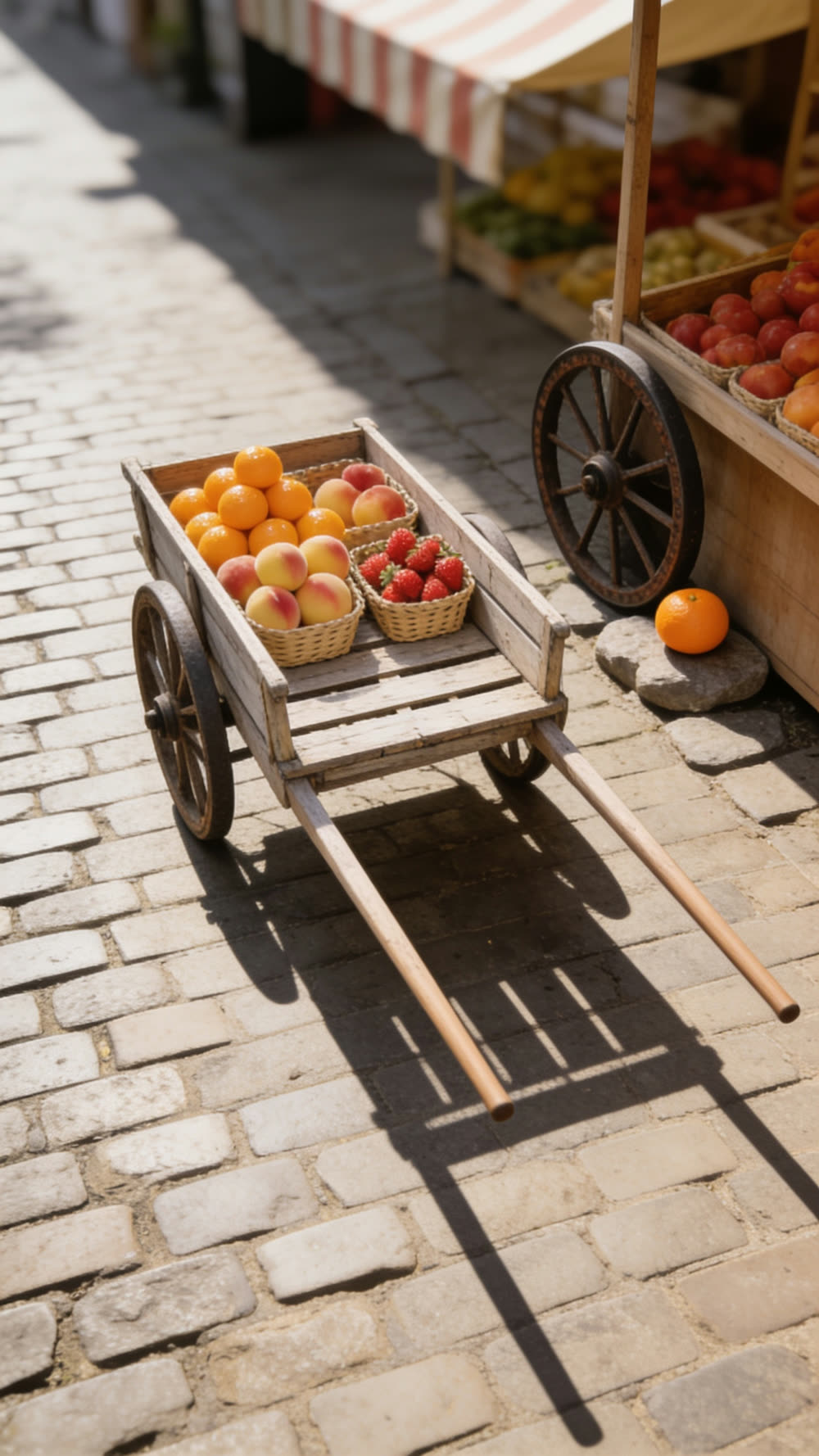
Have one person read the whole passage aloud while everyone else just listens. Then use this map to walk back through it.
- v16-18Walk by the Spirit. Paul's opening command: let the Spirit lead, and the flesh's pull loses its grip. Verse 17 names the real tension, the flesh and the Spirit want opposite things, which is why none of this ever feels automatic.
- v19-21The works of the flesh. A plural, untidy list, obvious once named: things that fracture people from each other as much as from God.
- v22-23The fruit of the Spirit. A singular list this time, one harvest, and Paul closes it with a small joke of his own: against such things there is no law. Nobody needs legislating into joy.
- v24-25The crucified and the walking. Verse 24 says those who belong to Christ have crucified the flesh; verse 25 turns that into a daily rhythm, if we live by the Spirit, let us also walk by the Spirit, step by step, not once and done.
"But the fruit of the Spirit is love, joy, peace, forbearance, kindness, goodness, faithfulness, gentleness and self-control."
Galatians 5:22-23, NIV
Discuss · 20 min
Discussion questions
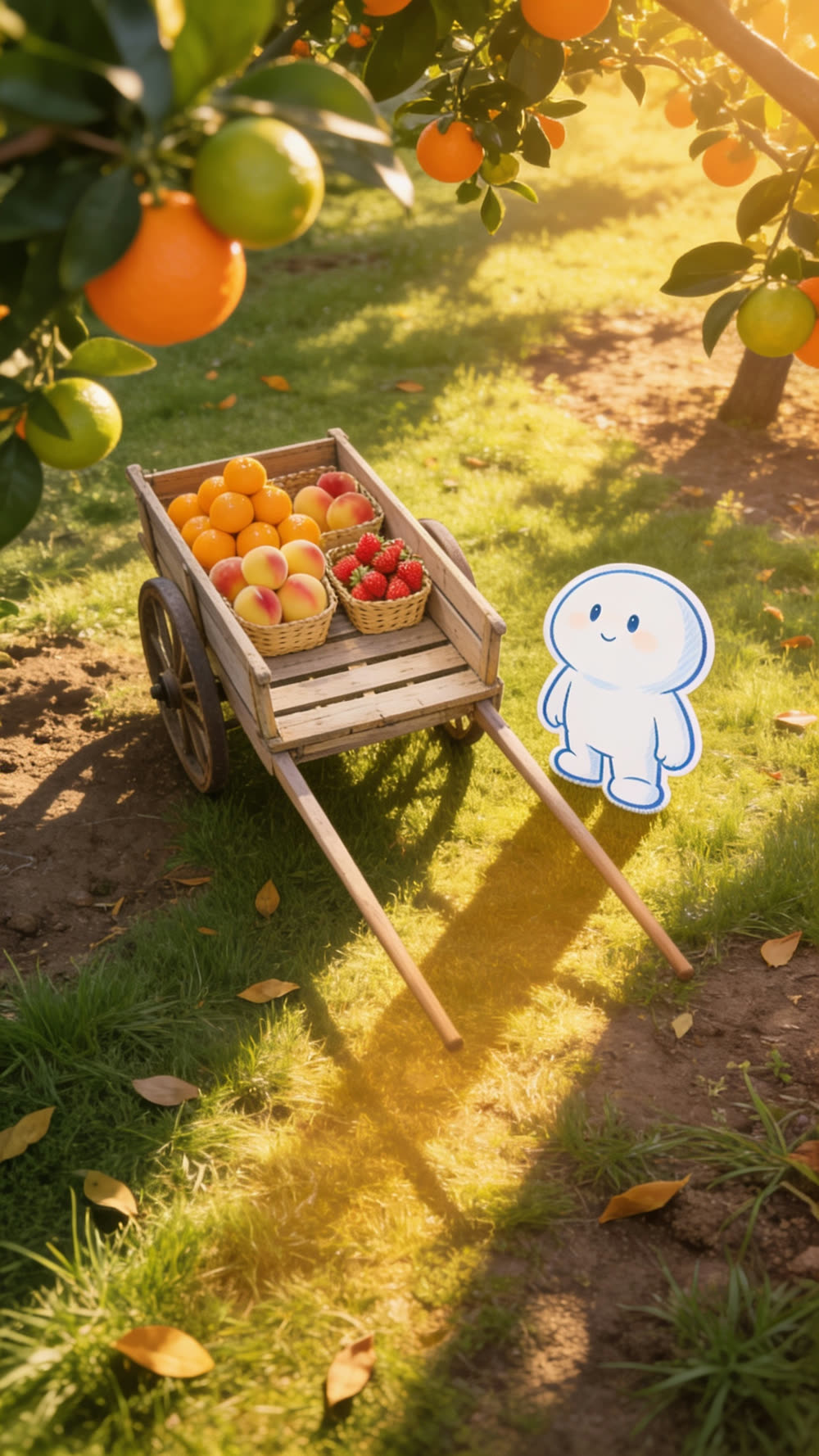
Warm up
keep it light, five minutes- Talk about a time you kept the easy half of a commitment and quietly avoided the hard half, at church, at work, at home, anywhere. What made the hard half so easy to skip?
- In the short, the cart gets abandoned right at the stall of patience, self-control, and forgiveness. Which of those three do we personally find hardest to leave the house with?
Into the text
give question 3 a full minute of quiet first- Read verse 19 again. The works of the flesh are plural, a pile of separate items. What changes if we stop treating our failures as one big flaw and start naming them individually, the way Paul does?
- Now verse 22. The fruit of the Spirit is singular. What is different about trying to grow one whole fruit compared to trying to tick nine separate boxes?
- Verse 17 says the flesh and the Spirit want opposite things, so that we cannot simply do whatever we please. Where do we feel that tug of war most honestly, this season?
- Verse 25 pairs living by the Spirit with walking by the Spirit, the first a status, the second a daily rhythm. Where has our walking stopped matching our claimed status lately?
The mirror
let the silence sit on question 9- Honestly, which end of the market lane do we live in most days, the bright end where the easy fruit is, or the shaded end we hurry past? What is that costing the people around us?
- If patience is the same fruit as joy, just not ripe yet, what changes about how we treat someone who is still unripe in an area we have already grown in?
- Name one hard fruit, patience with a person, self-control with a habit, forgiveness for a specific wrong, that has been sitting on the shelf in our life. What would putting it in the cart this week actually look like?
Go deeper · 4 min
Where else the Bible says this
John 15:4-5
Jesus gets to the root of Galatians 5 before Paul writes a word of it. "I am the vine; you are the branches. If you remain in me and I in you, you will bear much fruit; apart from me you can do nothing" (NIV). Fruit is never a product of trying harder. It is what grows in someone who stays attached to the vine. Useful next to question 4, since it answers where the growing power actually comes from.
Colossians 1:10-11
Paul pairs bearing fruit with patience directly here: believers are called to be "bearing fruit in every good work" while "being strengthened with all power according to his glorious might so that you may have great endurance and patience" (NIV). Both the fruit and the patience come from being strengthened, not from gritting our teeth.
James 3:17-18
Another list that lands on fruit and harvest language. "The wisdom that comes from heaven is first of all pure, then peace-loving, considerate, submissive, full of mercy and good fruit... peacemakers who sow in peace reap a harvest of righteousness" (NIV). Character grows the way a field does, slowly, and only from what was actually sown.
Apply · 5 min
Put it into practice this week
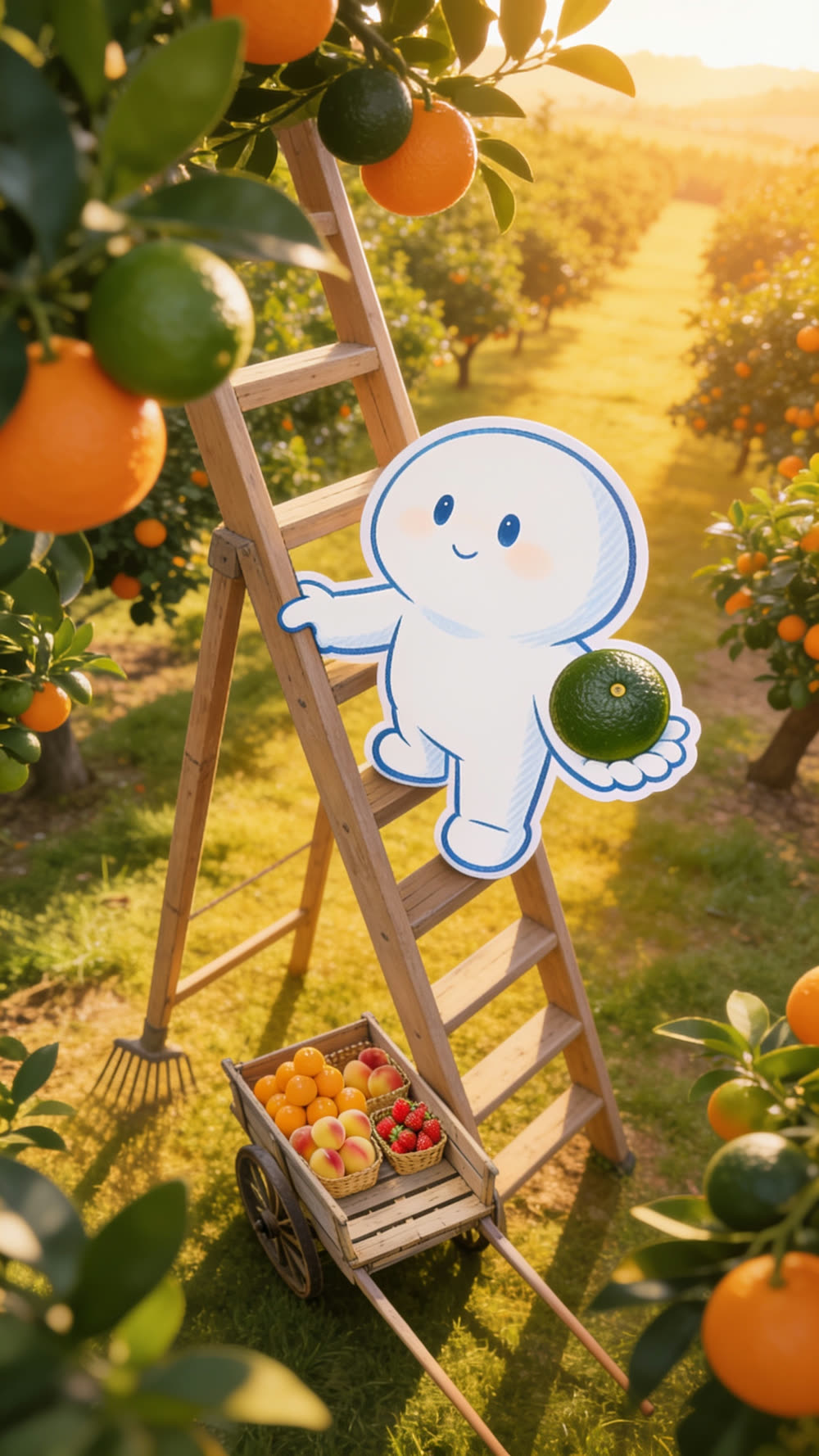
The short ends with an invitation, not a scolding: next time you reach the hard ones, do not walk away. Put patience in the cart. Put forgiveness in too. Here is that invitation with legs on it.
1. Name your green fruit
Take ten quiet minutes this week with one honest question: which fruit of the Spirit have I been leaving on the shelf, and with whom? Write it down, specifically, not in general terms.
2. Ask someone who knows you
Before the week is out, ask one person who knows you well which of the nine they would say is hardest for you. Other people usually see the unripe fruit in us before we do.
3. Put the smallest version in the cart
Choose one small, concrete act this week, not the whole ripe fruit, just the next unripe step. Send the message you have been avoiding. Wait the extra beat before you answer. Say the sentence that starts with "I forgive you" even if it does not feel finished yet.
4. Remember who does the growing
None of this works as a self-improvement plan. Galatians 5 calls it fruit of the Spirit for a reason, he grows it, we walk in step with him. Our job is to stop walking past the stall, not to manufacture the harvest ourselves.
To close
Father, thank you that your Spirit grows one whole harvest, not a pick and mix. Show us the fruit we have been leaving behind, and give us the courage to put it in the cart. We do not have to force it to grow. You do the growing. Amen.
Full time
That's the guide
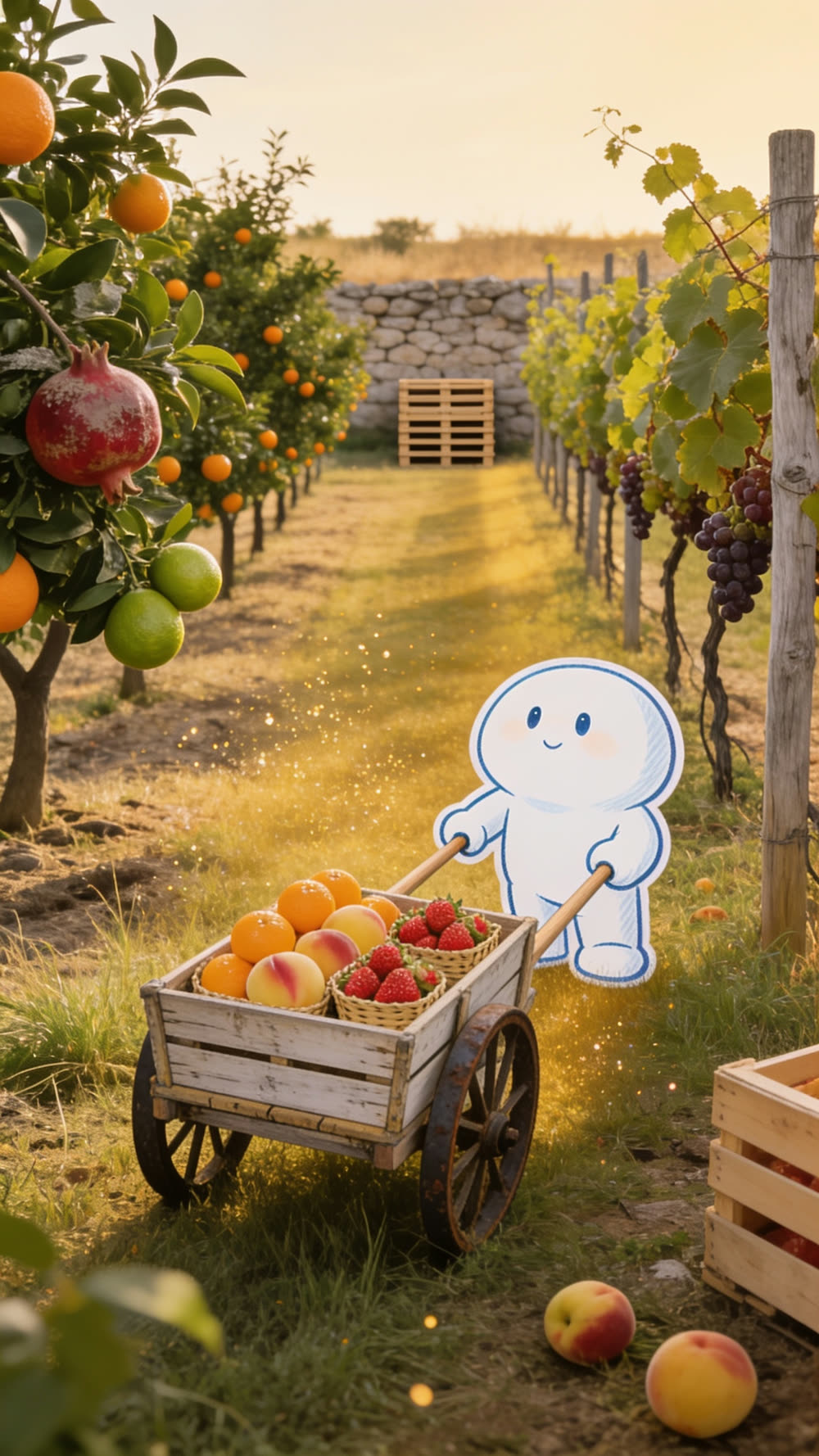
Print this, photocopy it, or read it again with a friend. Nothing to sign up for, nothing to remember. When the next episode drops, its study guide will sit right next to this one at pundayschool.com.
Extra time
Questions people ask about Galatians 5:22-23
What does Galatians 5:22-23 mean?
Paul closes his contrast between the flesh and the Spirit with two lists. Verses 19-21 name the works of the flesh, obvious and plural. Verses 22-23 name the fruit of the Spirit, singular: love, joy, peace, forbearance, kindness, goodness, faithfulness, gentleness, and self-control. It describes what grows in a life that is genuinely walking with the Spirit, not a checklist to complete by willpower.
Why does Paul call it fruit, singular, and not fruits?
In the Greek text the word is singular where the list of the flesh's works just before it is plural. Paul is picturing one harvest growing from one root, not nine separate qualities we get to pick and choose between. The grammar itself argues against a pick and mix approach to Christian character.
What is the difference between the works of the flesh and the fruit of the Spirit?
Works are things a person does, effortful and separate, and Paul's list in verses 19-21 reads like a list of symptoms. Fruit is something that grows, given the right root and enough time, and Paul's list in verses 22-23 reads like a description of a life, not a set of instructions. One is manufactured, the other is grown.
Can you have some of the fruit of the Spirit without the rest?
Every believer experiences some fruit more matured than others in any given season, so the point of the singular fruit is not that all nine show up perfectly at once. It is that they all come from the same source and are meant to grow together, so the goal is never to specialise in the easy ones and give up on the rest.
Where can I watch The Fruit We Never Bring Home?
Episode 9 goes live soon at @pundayschool on YouTube, TikTok, Instagram, and Facebook, and the video will be embedded near the top of this guide the day it posts.