Pundayschool episode 33 companion · The Weed We Never Pulled
Not the Window, Not the Seed: a Mark 4:18-20 study guide
The fuller meal behind our short. Built for a small group evening or a personal half hour with a journal. About 30 minutes together, 15 on your own, no seminary required.
- Passage
- Mark 4:18-20, in context 4:13-20
- Time
- About 30 minutes with a group, 15 solo
- You need
- A Bible, this page, something to write with
- Works for
- Small groups, youth groups, or one honest hour with a journal

The short answer
Mark 4:18-20 is Jesus explaining his own parable of the sower. Seed sown among thorns pictures someone who hears God's word, but "the worries of this life, the deceitfulness of wealth and the desires for other things come in and choke the word, making it unfruitful" (NIV). Seed on good soil pictures someone who "hears the word, accepts it, and produces a crop." The passage does not blame the soil's surroundings. It names one specific, growing obstacle: the thorns themselves, already there, never removed.
Press play · 2 min
First, the short version
"The Weed We Never Pulled" is on its way. Once Episode 33 is posted, it will play right here. In the meantime, find Pundayschool on YouTube, TikTok, Instagram, and Facebook at @pundayschool.
The setup · 2 min
Why a weed, and why a pot that keeps moving
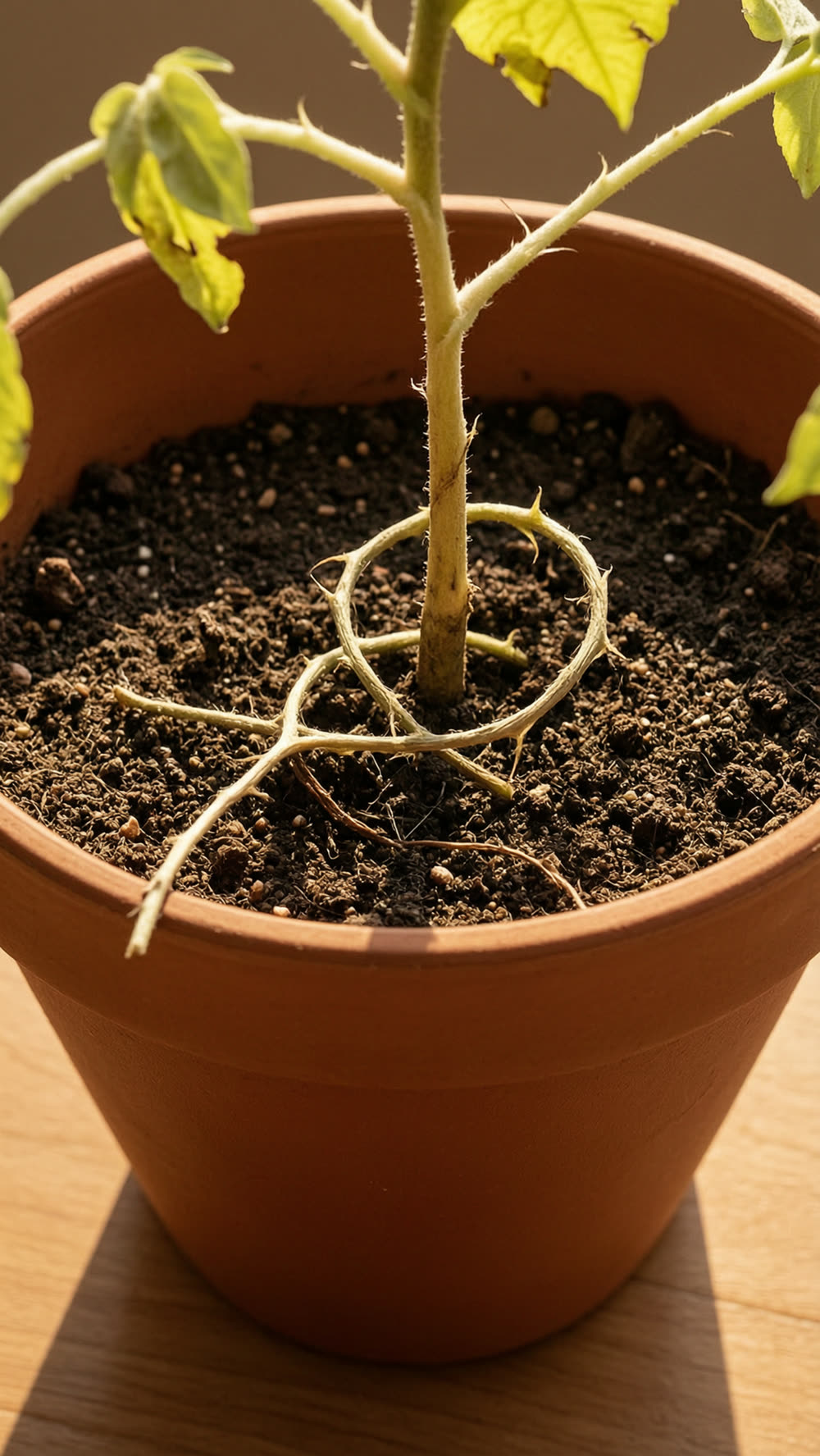
The short pictures a mascot moving the same drooping plant around a room for almost a minute straight: a sunnier windowsill, a new group on the shelf, a new plan, a new podcast, a third worship playlist this year. Still nothing. Must be the seed, never us. Then the camera pushes in on the base of the stem, and there it is: a weed, wrapped once around the stem, in the exact same soil the whole time.
The pot has been moved four times this year. The weed has been pulled exactly zero. That gap between real effort and real change is the whole episode, and it is exactly what Jesus is describing when he explains why some seed never produces a crop.
Background · 5 min
What Jesus is actually explaining
Mark 4 opens with Jesus teaching a large crowd from a boat, telling the parable of the sower: seed scattered on a path, on rocky ground, among thorns, and on good soil, with wildly different results. Parables like this were not simple illustrations. Jesus himself says in verse 11 that they conceal as much as they reveal, sorting out who is actually willing to look closely.
Once the crowd leaves, the disciples ask him privately what it means, and verses 13 to 20 are his own explanation, seed type by seed type. By the time he reaches the thorns in verse 18, he has already named two other ways the word fails to take hold: snatched away immediately, or received with joy but abandoned under pressure. The thorns are a third, quieter failure. Nothing dramatic happens. The word is simply crowded out over time by things that were never removed.
Mark's own list of thorns is specific: "the worries of this life, the deceitfulness of wealth and the desires for other things" (v.19). Three different pulls, one shared effect: they "come in and choke the word, making it unfruitful." The soil was never the problem. What was already growing in it was.
Read · 4 min
Read the passage: Mark 4:13-20
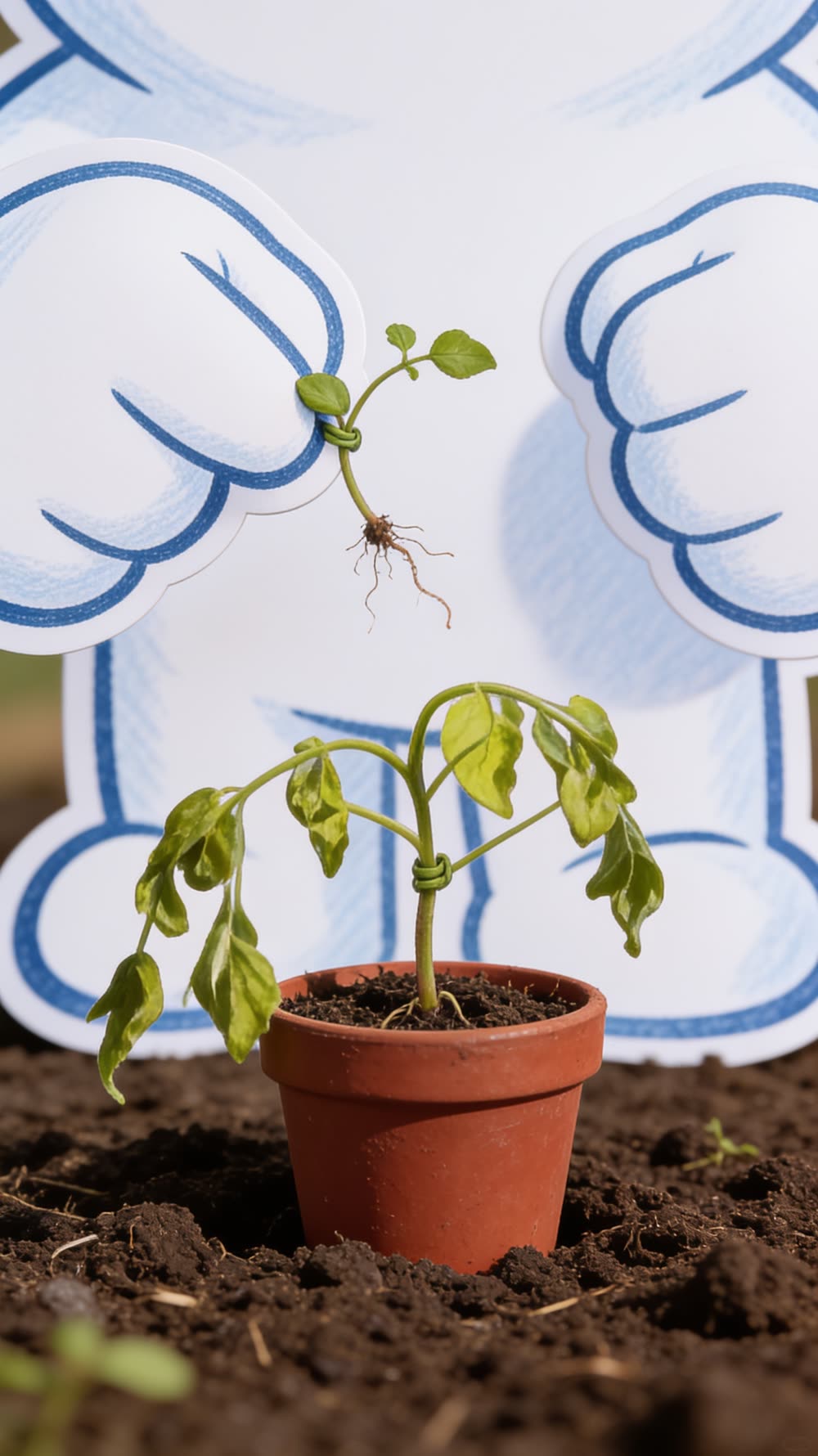
Have one person read the passage aloud slowly. Then use this map to walk back through it.
- v13-14"Know ye not this parable? and how then will ye know all parables? The sower soweth the word" (KJV). Jesus treats this parable as the key to understanding how he teaches at all, not just one story among many.
- v15Seed by the path: the word gets snatched away immediately, before it has any chance to take root at all.
- v16-17Seed on rocky ground: received with joy, but with no real root, it lasts only until pressure or persecution shows up.
- v18-19"The worries of this life, the deceitfulness of wealth and the desires for other things come in and choke the word, making it unfruitful" (NIV). Not a dramatic rejection, just a slow crowding out by things that were never dealt with.
- v20"Others, like seed sown on good soil, hear the word, accept it, and produce a crop" (NIV). The difference was never the surrounding conditions. It was whether the thorns got pulled.
"The worries of this life, the deceitfulness of wealth and the desires for other things come in and choke the word, making it unfruitful."
Mark 4:19, NIV
Discuss · 15 min
Discussion questions
Warm up
keep it light, five minutes- Talk about a time you fixed everything around a problem, a new routine, a new tool, a new location, except the actual problem. What was the "weed" you never got to?
Into the text
read verses 18 through 20 together before question 3- Jesus names three specific thorns: worries, the deceitfulness of wealth, and desires for other things. Which of the three tends to choke things out in your own life most often, and why that one?
- The seed among thorns still "hears the word." It is not rejected outright, like the seed by the path. What is the danger of a slower, quieter failure like this compared to a more obvious one?
- Verse 20 says good soil "hears the word, accepts it, and produces a crop." What is the difference between hearing something and actually accepting it, in your own words?
The mirror
let the silence sit on the last question- Honestly, what is your version of moving the pot: the effort you keep spending on the surrounding conditions instead of the one thing actually choking your growth?
- If you named that one weed out loud right now, what is the smallest true step to actually pull it, not just notice it again?
Go deeper · 4 min
Where else the Bible says this
Matthew 13:22
Matthew's version of the same parable names the same thorns almost word for word: "the worries of this life and the deceitfulness of wealth choke the word, making it unfruitful" (NIV). Two Gospel writers, telling the same story, land on the exact same diagnosis.
1 Timothy 6:9-10
"Those who want to get rich fall into temptation and a trap and into many foolish and harmful desires that plunge people into ruin and destruction... some people, eager for money, have wandered from the faith and pierced themselves with many griefs" (NIV). The same "deceitfulness of wealth" Jesus names in the parable, traced out to where it actually leads.
Hebrews 12:1
"Let us throw off everything that hinders and the sin that so easily entangles" (NIV). A different picture, a race instead of a garden, but the same instruction: something specific is already wrapped around us, and it has to be thrown off, not just run around.
Apply · 5 min
Put it into practice this week
The short ends with the smallest possible action: the pot stays exactly where it is, and one weed finally comes out, root and all. Here is that same small step, with legs on it.
1. Name the pot
Write down the thing you keep rearranging, a routine, a plan, a fresh start, that has quietly let you avoid the actual weed. Use the space below:
2. Name the weed
Of the three thorns in verse 19, worries, the deceitfulness of wealth, or the desire for other things, which one is actually wrapped around your stem right now? Be specific, not general.
3. Pull it
Before next Sunday, do the one small, uncomfortable thing that actually addresses it, not another plan to address it later. Then tell one other person you did.
To close
Father, thank you that you never asked for a better window, only an honest look at the soil. Forgive me for the hours I have spent moving the pot around instead of reaching in. Show me the one weed I have been walking past, and give me the grace to actually pull it. Amen.
The end
That's the guide
Print this, photocopy it, or read it again with a friend. Nothing to sign up for, nothing to remember. When the next episode drops, its study guide will sit right next to this one at pundayschool.com.
Extra time
Questions people ask about Mark 4:18-20
What does Mark 4:18-20 mean?
It is Jesus explaining his own parable of the sower to his disciples. Seed sown among thorns pictures someone who hears God's word, but the worries of life, the deceitfulness of wealth, and the desire for other things grow up around it and choke it out before it produces anything. Seed on good soil pictures someone who hears the word, accepts it, and actually produces a crop.
Why does the parable blame thorns instead of bad soil?
Because the soil itself was capable of growing something, the seed did sprout. The failure was not the ground's quality, it was that something else was already growing there and never got removed. That is a much more personal, much less excusable kind of failure than simply having bad soil to begin with.
What are "the desires for other things" in verse 19?
Alongside worry and the pull of wealth, this phrase covers any craving, ambition, or attachment we let compete with actually living out what we have heard. It is deliberately broad. Money and anxiety are named specifically because they are common, not because they are the only two thorns that can choke a life.
Can the weed be pulled, or is it too late once it has choked the word?
The parable does not say it is too late, it describes what happens when the thorns are left alone. Naming the specific thing and actually removing it, the same posture Jesus calls for throughout his teaching, is the way growth resumes. The point of the parable is a warning, not a verdict.
Can I use this study guide on my own?
Yes. Read the background, read the passage slowly, and treat the discussion questions as journal prompts. On your own the study takes about 15 minutes, and the write-in lines in the application section are there for exactly that.
Where can I watch The Weed We Never Pulled?
Right at the top of this page once it is live, or on YouTube, TikTok, Instagram, and Facebook at @pundayschool.