Pundayschool episode 11 companion · The I'll Pray About It No
Let Your Yes Be Yes: a Matthew 5:37 study guide
The fuller meal behind our short short. Built for a small group evening or a personal half hour with a journal. About 40 minutes together, 20 on your own, no seminary required.
- Passage
- Matthew 5:33-37
- Time
- About 40 minutes with a group, 20 solo
- You need
- A Bible, this page, something to write with
- Works for
- Small groups, youth groups, or one honest person and a journal

The short answer
Matthew 5:37 teaches that our plain word should be trustworthy without needing an oath, a decoration, or a holy-sounding phrase to back it up. Jesus says, "let your communication be, Yea, yea; Nay, nay" (KJV), because anything beyond a plain yes or no comes from a place it should not. In a church context, that includes the reflexive "I'll pray about it" we use to dodge a sign-up sheet. The honest answer, whichever it is, is the more faithful one. Praying about a decision is not the problem. Using prayer language as camouflage for an answer we have already made is.
Start · 1 min
First, the 71 second version
Pundayschool · EP 11 · 71 seconds
The I'll Pray About It No
I feel an immediate release from this.
Posting soon
Episode 11 has not posted yet. The I'll Pray About It No lands soon at @pundayschool on YouTube, TikTok, Instagram and Facebook. This study stands on its own, so feel free to start without it.
The premise · 2 min
Why a clipboard makes us suddenly spiritual
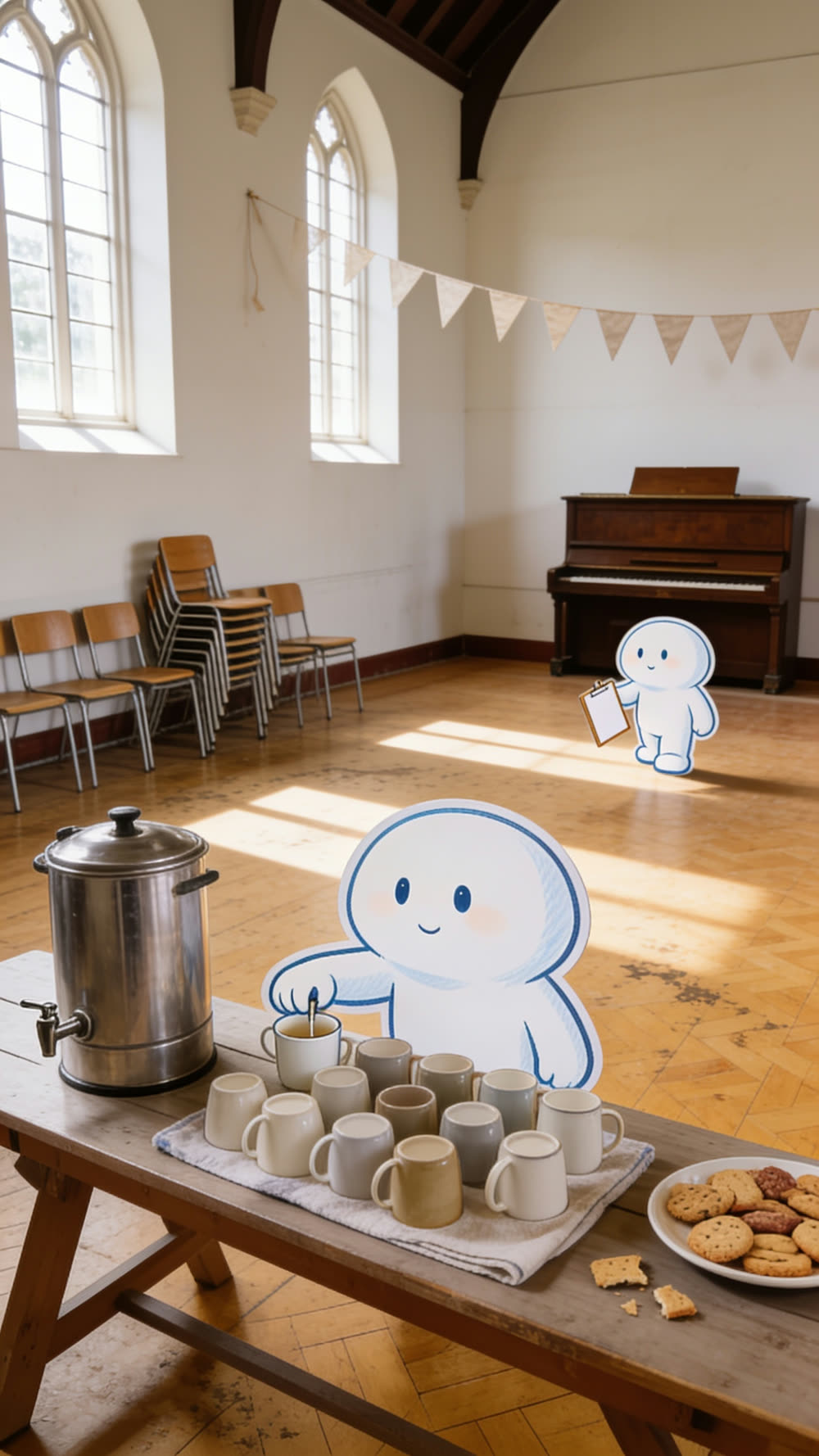
The short follows one sign-up sheet through a church hall. Help stack chairs? "I'll pray about it." Help with coffee? "I'll pray about it." Stay and clean up after? "I'll pray about it." Same words, three different asks, and every time, the second the phrase leaves our lips, something soft settles in. Our shoulders drop. The pressure disappears.
It is funny because it is us. We have discovered the perfect holy-sounding escape hatch: no awkward no, no explanation needed, just a spiritual pause that somehow never quite ends. "I feel an immediate release from this." That relief is the whole joke, and the whole problem. Jesus already addressed exactly this kind of dressed-up speech, and that teaching is where this study lives: Matthew 5:37, let your yes be yes, and your no, no.
Background · 5 min
What Jesus is correcting in Matthew 5
Matthew 5:37 sits inside the Sermon on the Mount, in a section where Jesus repeatedly says "you have heard it said... but I say to you," sharpening the Old Testament law by going after the heart behind it. Verses 33 to 37 tackle oaths. His listeners had built an entire system around swearing by heaven, by earth, by Jerusalem, or by their own head, and some oaths were treated as more binding than others depending on exactly what you swore by. It created loopholes: a word given carelessly could later be explained away as "not really binding," because of the wording used to give it.
Jesus cuts through the whole system. Do not swear elaborate oaths at all, he says, because none of it was ever necessary. Let your plain word be enough on its own. A yes should mean yes. A no should mean no. Anything dressed up beyond that, he adds, comes from a place it should not.
We are not swearing oaths on a sign-up sheet. But we are doing a smaller version of the same thing: reaching for a more elaborate, more spiritual-sounding form of words, "I'll pray about it," so that a plain no does not have to sound like one. The correction lands in exactly the same place. Plain speech, trusted on its own, was always the point.
Read · 5 min
Read the passage: Matthew 5:33-37

Have one person read all five verses aloud while everyone else just listens. Then use this map to walk back through it.
- v33"Do not break your oath, but fulfill to the Lord the vows you have made." The old standard: an oath, once sworn, has to be kept.
- v34-36"Do not swear an oath at all... by heaven... by the earth... by Jerusalem... by your head." Jesus lists the go-to oaths of his day and rules every one of them out, one by one.
- v37"All you need to say is simply 'Yes' or 'No'; anything beyond this comes from the evil one." The plain answer was always sufficient. The extra language was never actually doing the work people thought it was.
"Let your yes be yes, and your no, no."
Matthew 5:37
Discuss · 20 min
Discussion questions

Warm up
keep it light, five minutes- What is your go-to holy-sounding way of avoiding a plain no? "I'll pray about it" is one. What is yours?
- Think of the last sign-up sheet, group text, or hallway ask you dodged. What did you actually say, and what did you actually mean?
Into the text
give question 5 sixty seconds of quiet first- Read verses 34 to 36 again. Jesus rules out several specific kinds of oaths people used in his day. What do you think made those oaths feel necessary or reassuring to the people using them?
- Verse 37 says anything beyond a plain yes or no "comes from the evil one." That is strong language for what can look like harmless politeness. Why do you think Jesus takes it that seriously?
- What is the difference between genuinely needing time to pray about a decision, and using "I'll pray about it" as a reflex to avoid a no?
- If a plain no does not need to be dressed up in holiness, what does that suggest about how much God actually needs from us when we bring him an honest decision?
The mirror
let the silence sit on the last question- Where in your life right now are you giving a spiritual-sounding answer instead of a plain one, at church, at work, or at home?
- What would change about your relationships if your yes reliably meant yes, and your no reliably meant no?
- Name one honest answer, a real yes or a gracious no, that you have been avoiding giving. What is stopping you from giving it this week?
Go deeper · 4 min
Where else the Bible says this
James 5:12
"But above all things, my brethren, swear not, neither by heaven, neither by the earth, neither by any other oath: but let your yea be yea; and your nay, nay; lest ye fall into condemnation" (KJV). James, writing to the early church, repeats Jesus's teaching almost word for word. This was not a passing remark Jesus made once. The first Christians treated plain, trustworthy speech as a real mark of Christian character.
Proverbs 12:22
"The Lord detests lying lips, but he delights in people who are trustworthy" (NIV). This is not only about lying outright. A dodge dressed up as a prayer is still a way of letting someone believe something that is not quite true. Trustworthy speech, plain and dependable, is what God delights in.
Ecclesiastes 5:4-5
"When you make a vow to God, do not delay to fulfill it... It is better not to make a vow than to make one and not fulfill it" (NIV). This is part of why the elaborate oath culture Jesus addresses even existed, people wanted extra weight behind a promise because plain words alone had grown unreliable. Jesus's answer is not more weight. It is more honesty.
Apply · 5 min
Put it into practice this week
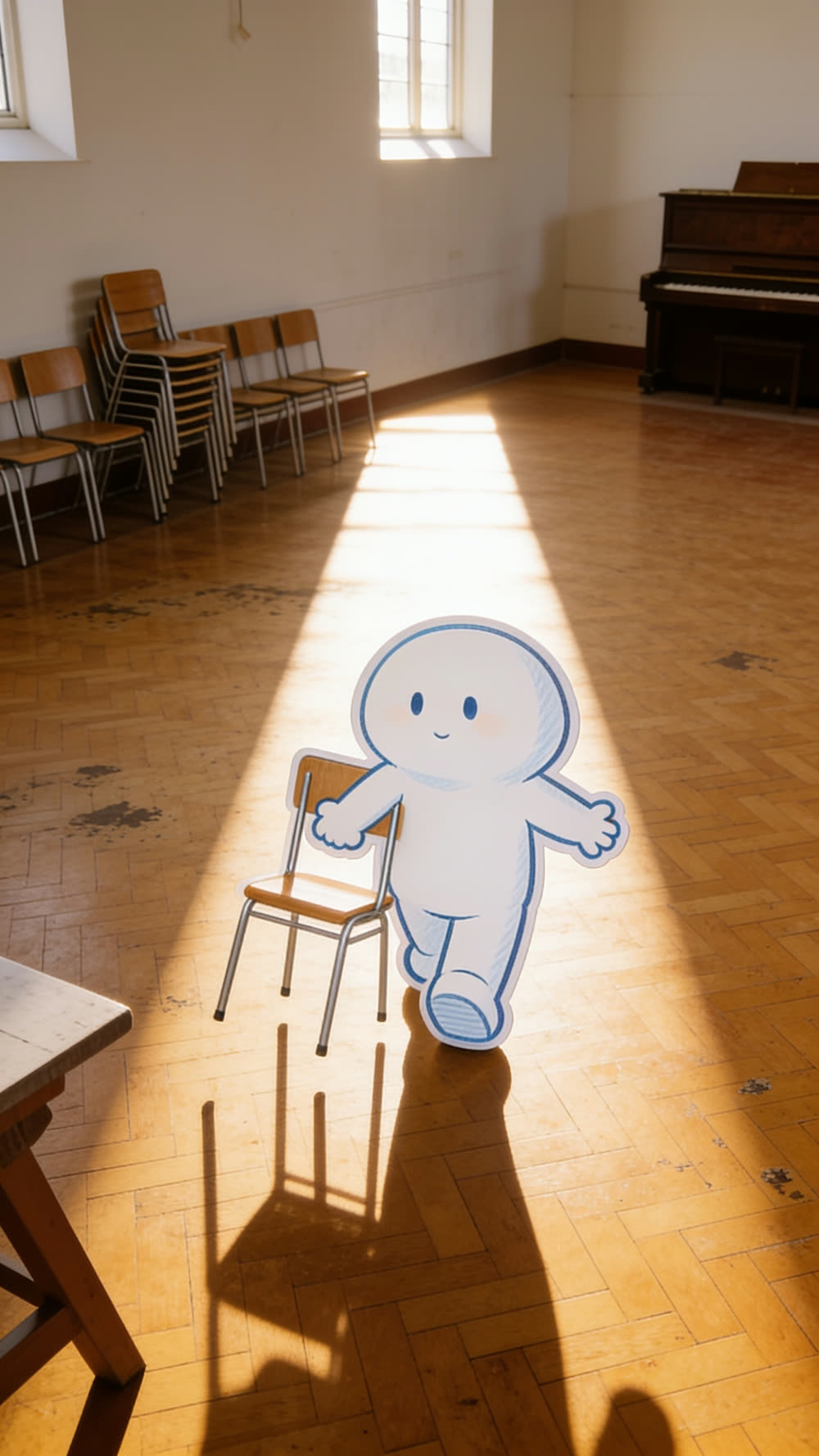
The short ends with a swap. Instead of a holy-sounding pause, it lands on one plain sentence: try one honest answer, a real yes, or a gracious no. Here is that shift with legs on it.
1. Name the ask you have been dodging
Take five quiet minutes this week and name, honestly, what you have been saying "I'll pray about it" to without actually praying about it. Write it here:
2. Give one plain answer today
Pick one open question in your life right now, big or small, and give the person a real yes or a real no instead of a deferral. Notice how much lighter, or how much harder, it feels than the holy pause did.
3. Ask what the no is protecting
If your honest answer is a no, ask what it is actually protecting: your time, your family, your rest, your integrity. A no that protects something real does not need to apologize for existing.
4. If you truly need to pray about it
Some decisions genuinely need time and prayer first. If that is where you are, say so plainly, and then actually do it. The problem was never prayer. It was using prayer's language for a decision we had already made.
To close
Father, thank you that you can handle a plain no as easily as a plain yes. Forgive us for reaching for holy-sounding language when what we actually mean is not this time, or not me. Let our yes be yes, and our no, no, and give us the courage to mean both. Amen.
Wrap up
That's the guide

Print this, photocopy it, or read it again with a friend. Nothing to sign up for, nothing to remember. When the next episode drops, its study guide will sit right next to this one at pundayschool.com.
More questions
Questions people ask about Matthew 5:37
What does Matthew 5:37 mean?
Jesus is teaching against the practice of swearing elaborate oaths to make a promise sound more binding. Instead, he tells his listeners to let their yes simply mean yes, and their no simply mean no. Anything added on top of a plain answer, he says, comes from a place it should not. Our word should be trustworthy on its own, without extra decoration to make it sound more spiritual or more certain.
Why do church people say "I'll pray about it" when they mean no?
Because a plain no can feel blunt inside a community built around graciousness, so "I'll pray about it" offers an exit that sounds humble and spiritual instead. The trouble is that it borrows the language of prayer for something that usually is not prayer at all. It is a decision that has already been made.
Is it ever okay to actually say I'll pray about it?
Yes, when it is true. Some decisions genuinely need time, wisdom, and prayer before an honest answer is possible. The issue this study points at is using the phrase as a reflex to avoid a no already decided on, not the phrase itself. If you truly need to pray about it, say so, and follow through.
What were the oaths Jesus mentions in Matthew 5:34-36?
Swearing by heaven, by earth, by Jerusalem, or by one's own head were common ways people added weight to a promise in Jesus's day, on the assumption that some oaths bound you more tightly than others. Jesus rules out the whole system, teaching that a plain, trustworthy word was always sufficient and none of the extra language was ever doing real work.
Where can I watch The I'll Pray About It No?
Episode 11 goes live soon at @pundayschool on YouTube, TikTok, Instagram and Facebook, and the video will be embedded near the top of this page the day it posts. Bookmark this page or follow @pundayschool to catch it first.