Pundayschool episode 25 companion · The Breakroom Hero
Leave The Sign At Home: a Matthew 6:1-4 study guide
The fuller meal behind our short. Built for a small group evening or a personal hour with a journal. About 40 minutes together, 20 on your own, no seminary required.
- Passage
- Matthew 6:1-4
- Time
- About 40 minutes with a group, 20 solo
- You need
- A Bible, this page, something to write with
- Works for
- Small groups, youth groups, or one honest person and a journal
The short answer
Matthew 6:1-4 is Jesus warning against doing good things in order to be seen doing them: "Be careful not to practice your righteousness in front of others to be seen by them... do not let your left hand know what your right hand is doing, so that your giving may be in secret. Then your Father, who sees what is done in secret, will reward you" (NIV). The passage does not criticize generosity. It criticizes generosity performed for an audience, which is exactly what a wet floor sign guarding a dry floor turns out to be.
Cold open · 1 min
First, the 93 second version
Pundayschool · EP 25 · 93 seconds
The Breakroom Hero
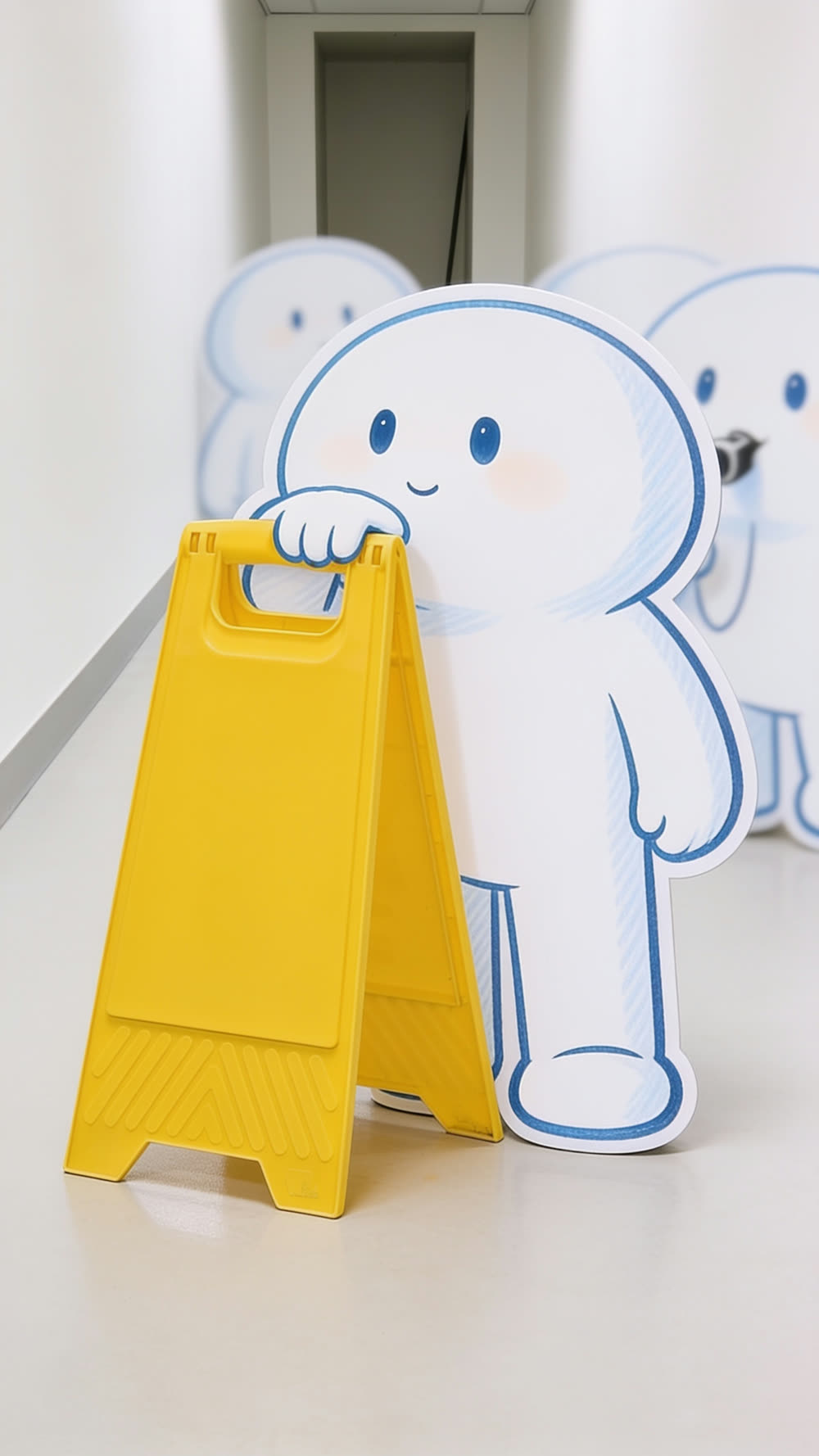
A kitchen cleaned before dawn, a doorframe leaned on all day, and one wet floor sign guarding a floor that was never actually wet.
Coming soon
Episode 25 has not posted yet. The short lands soon at @pundayschool on YouTube, TikTok, Instagram and Facebook, and the video will be embedded at the top of this page the day it posts. This study stands on its own, so feel free to start without it.
Coming to YouTube · TikTok · Instagram · Facebook
The premise · 2 min
Why a dry floor needed a wet floor sign
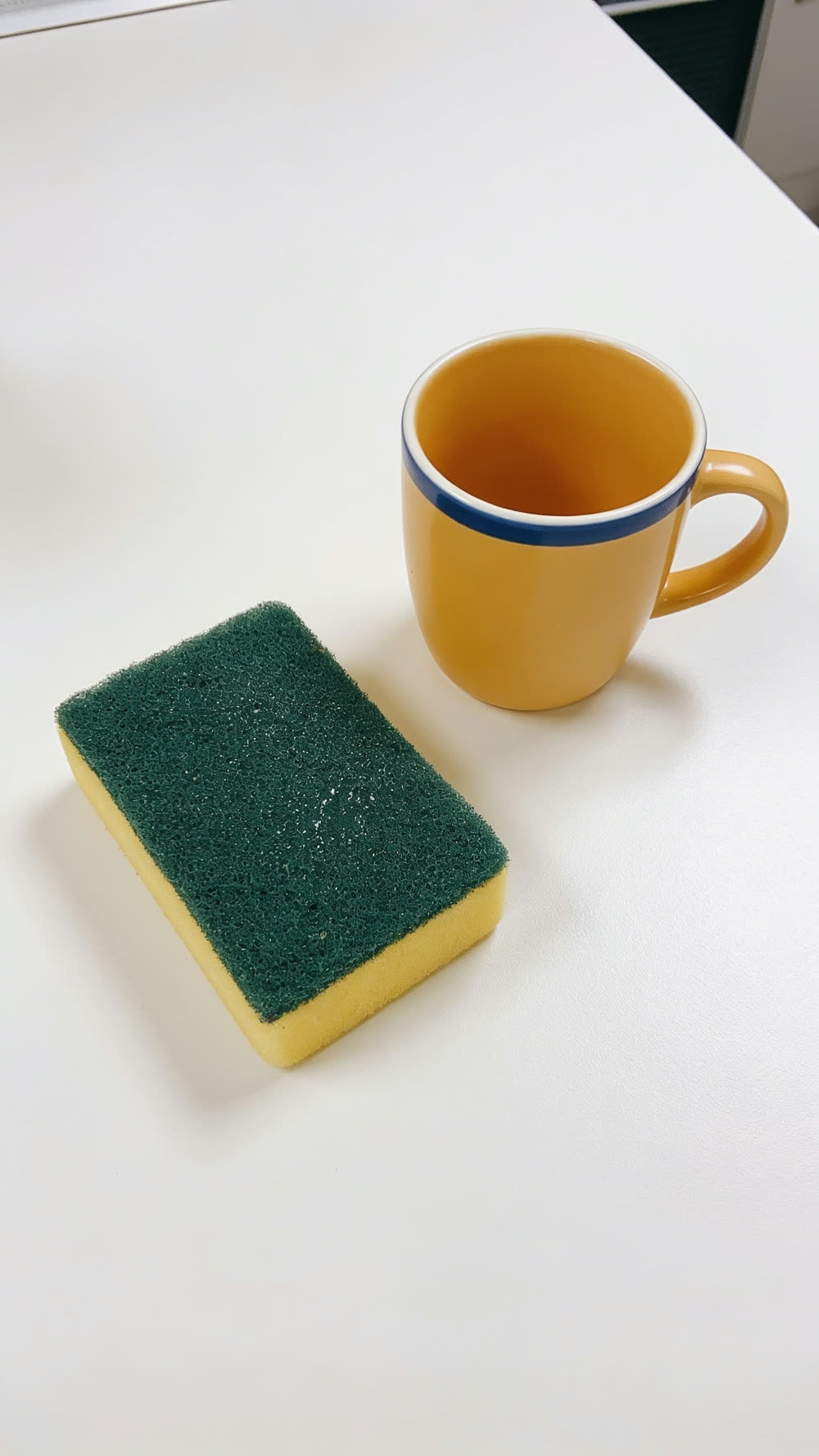
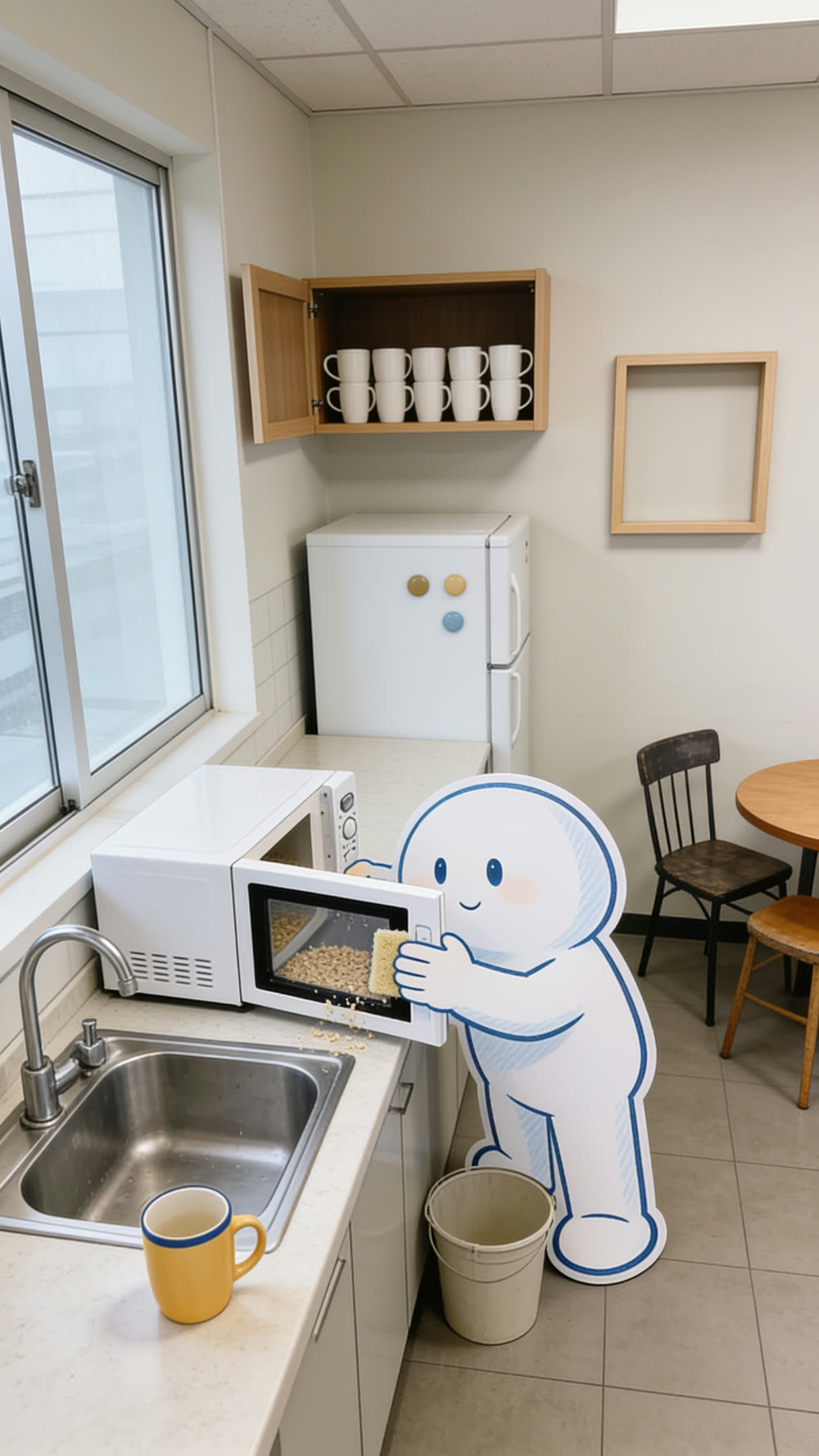
The short pictures a mascot who scrubs the office breakroom spotless before the building wakes, genuinely kind, genuinely unseen. That could have been the whole story. Then the day shift arrives, and so does the performance: a doorframe to lean against, a lower back to rub, a heavy sigh timed to every colleague who walks past. The microwave door gets propped wide open so its gleaming interior can be admired. On the counter, a damp sponge is posed just so beside the one personalized coffee mug in a building of identical white ones.
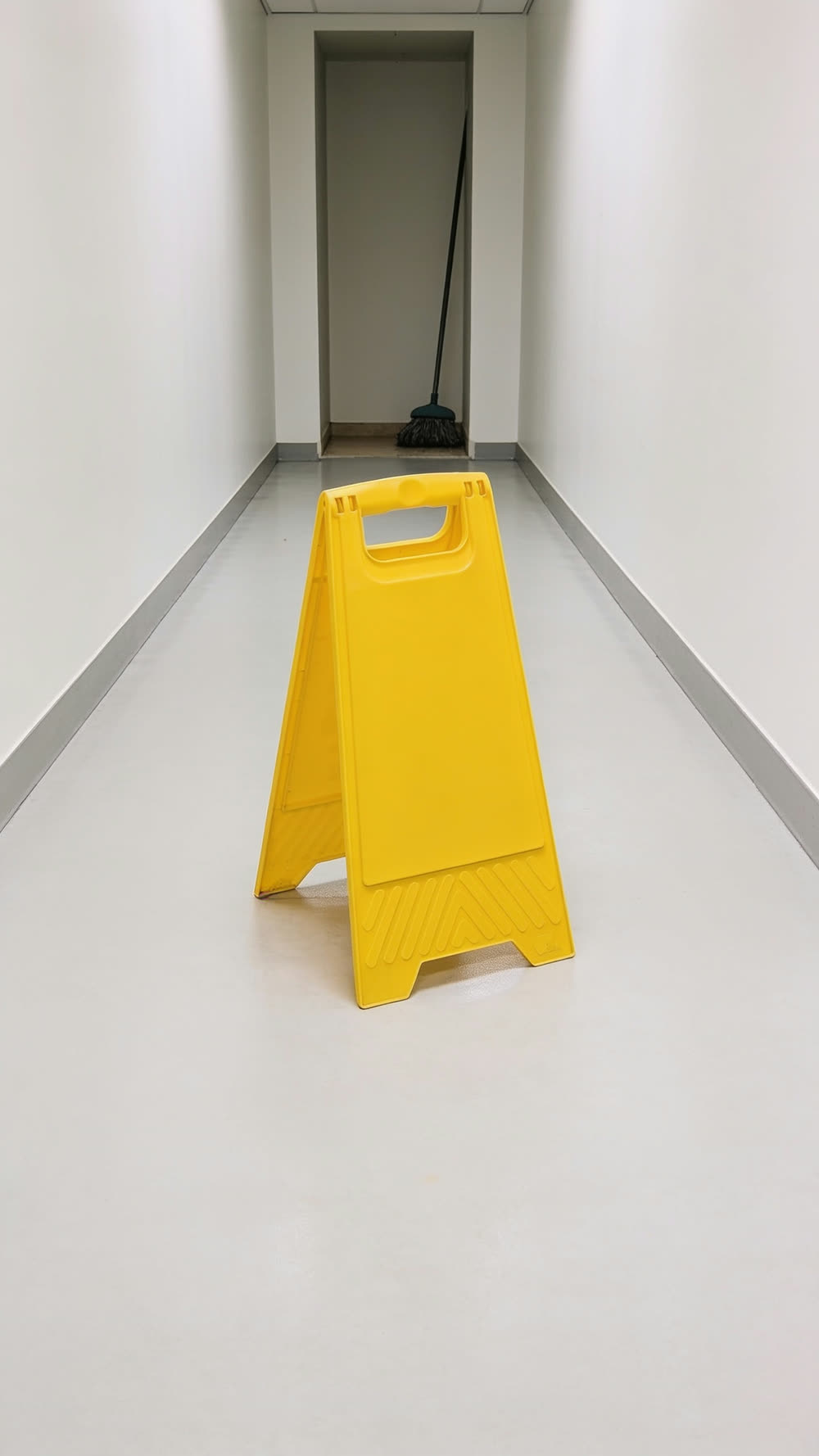
And out in the hallway stands the masterpiece: one bright yellow wet floor sign, planted dead centre, guarding a floor that was never actually wet, past which the entire office walks without a single question. "Servant leadership, but with a PR campaign." Then the corridor empties, and the wide shot tells the truth: a sign guarding nothing, a mug posing beside a sponge, a microwave playing to an empty house. Matthew 6:1-4 supplies the episode's real center of gravity: a kindness that needed no audience, and got one anyway.
Background · 6 min
Where Matthew 6:1-4 sits in its story
Matthew 6 sits in the middle of the Sermon on the Mount, the longest single block of Jesus's teaching in the Gospels. Chapter 5 has just finished covering how to treat other people: turning the other cheek, loving enemies, letting your light shine so that others "may see your good deeds and glorify your Father in heaven" (5:16). Chapter 6 turns to something different: how to practice faith itself, in front of God rather than in front of a crowd. Jesus covers three acts of piety back to back, and gives all three the identical structure. Giving is verses 1-4. Praying is verses 5-15, which includes the Lord's Prayer. Fasting is verses 16-18. Each one warns against "the hypocrites," each one pictures a public performance, and each one ends the same way: your Father, who sees what is done in secret, will reward you.
Verse 2 pictures the specific hypocrite Jesus has in mind: someone who "announces it with trumpets" in the synagogues and streets, "to be honored by others." There is no solid historical record of a literal trumpet sounding before an act of charity in first century Judea, so most readers take it as a vivid figure of speech rather than a real instrument, the ancient equivalent of a very loud announcement. Either way, the verdict is blunt: "they have received their reward in full." Not partial payment awaiting a balance. Full payment, already made, in the only currency they were actually working for: attention.
Verse 16's "no reward" language explains why 5:16 ("let your light shine before others") and 6:1 ("do not practice your righteousness in front of others") are not a contradiction. The difference is not visibility, it is motive. Light shining is a byproduct of a life lived well; a trumpet is a performance staged on purpose. The same public action can be either one, depending on who it was actually for.
Read · 5 min
Read the passage: Matthew 6:1-4
Have one person read the whole passage aloud while everyone else just listens. Then use this map to walk back through it.
- v1The headline warning: do not practice your righteousness in front of others to be seen by them, or there is no reward from your Father in heaven.
- v2The specific picture: the hypocrite who announces their own giving in the synagogues and streets, to be honored. They have already received their full reward.
- v3The corrective image: when you give, do not let your left hand know what your right hand is doing.
- v4The promise: giving done in secret is seen by the Father, who rewards it.
"Do not let your left hand know what your right hand is doing, so that your giving may be in secret. Then your Father, who sees what is done in secret, will reward you."
Matthew 6:3-4, NIV
Discuss · 20 min
Discussion questions
Warm up
keep it light, five minutes- Tell the group about your own version of the wet floor sign: the visible leftover evidence you leave out after doing something kind, so people know it happened. Why is it always so tempting to leave the sign standing a little longer than the job actually needs?
- The short's mascot never plans to deceive anyone, the staging just quietly grows on its own through the day, one prop at a time. Why is that kind of performance often so easy to slide into without ever deciding to start it?
Into the text
give question 5 sixty seconds of quiet first- Verses 1 and 16 both warn against being seen, but 5:16 tells us to let our light shine "before others." What is the actual difference between the two, if the visible action can look identical from the outside?
- Verse 2 says the trumpet-blowers "have received their reward in full." What does it mean that their reward was real, just smaller and shorter-lived than the one they could have had?
- "Do not let your left hand know what your right hand is doing" is a strange, almost impossible instruction to take literally. What is it actually asking of us?
Applause and audience
let the silence sit on question 8- The episode's own line is "servant leadership, but with a PR campaign." Where has a genuinely kind thing of yours quietly grown a PR campaign you never planned to run?
- If you knew for certain nobody would ever find out, would you still do your next kind thing exactly the same way? What does your honest answer tell you?
- Verse 4's reward is not "eventually, publicly, in front of everyone." It is a Father who already saw it in secret. What would it take for that to actually feel like enough?
Go deeper · 4 min
Where else the Bible says this
1 Corinthians 13:3
"If I give all I possess to the poor and give over my body to hardship that I may boast, but do not have love, I gain nothing." Paul pushes the same warning even further than Matthew 6 does: it is possible to give away everything, visibly and completely, and still gain nothing, if the giving was never really about the person receiving it.
Colossians 3:23-24
"Whatever you do, work at it with all your heart, as working for the Lord, not for human masters, since you know that you will receive an inheritance from the Lord as a reward. It is the Lord Christ you are serving." Paul names the audience question directly: every task, including the ones nobody notices, is ultimately performed for One who is already watching.
Proverbs 27:2
"Let someone else praise you, and not your own mouth; an outsider, and not your own lips." Centuries before the wet floor sign, the same instinct got named: the loudest voice praising us should never be our own, and a monument we built ourselves is not really a monument.
Apply · 5 min
Put it into practice this week

The short ends with an instruction plain enough to carry into the week: wash the mug, put it away, walk out of the room, leave the sign at home. Here is that instruction with legs on it.
1. Name your own wet floor sign
What is the visible evidence you tend to leave standing after a good deed is already finished? Write down the real, specific thing, not a hypothetical:
2. Try the left-hand test
Before your next kind act, ask: if I could not tell anyone about this afterward, ever, would I still do it, and would I still do it this way? Let the honest answer guide the size and shape of the deed itself.
3. Take one sign down
This week, find one piece of evidence you have left standing after a job is done, an email announcing it, a comment mentioning it, a story you keep retelling, and quietly retire it. Notice what it costs you to let it go unnoticed.
4. A word for real, healthy visibility
This is not a call to hide every good thing forever. Matthew 5:16 tells us to let our light shine. The difference Jesus draws is not "never be seen," it is "do not perform for an audience." Leadership, teaching, and public generosity all involve being seen doing good; the target here is narrower, the specific reflex to stage the evidence after the deed is already complete.
To close
Father, thank you that you already saw the good we did before we told anyone about it. Forgive us for the doorframes we lean on, the sighs we time to an audience, the signs we leave standing long after the floor is dry. Teach us to let our left hand not know what our right hand is doing. We do not need the applause button. You already saw it, and you are the only witness that was ever going to matter. Amen.
Reading taken
That's the guide
Print this, photocopy it, or read it again with a friend. Nothing to sign up for, nothing to remember. When the next episode drops, its study guide will sit right next to this one at pundayschool.com.
Extra time
Questions people ask about Matthew 6:1-4
What does Matthew 6:1-4 mean?
Matthew 6:1-4 is Jesus warning against doing good things in order to be seen doing them. "Be careful not to practice your righteousness in front of others to be seen by them... do not let your left hand know what your right hand is doing, so that your giving may be in secret. Then your Father, who sees what is done in secret, will reward you." The passage does not criticize generosity, it criticizes generosity performed for an audience.
What is the context of Matthew 6:1-4?
Matthew 6 sits in the middle of the Sermon on the Mount, right after Jesus teaches on how to treat other people. He turns to how to practice faith itself, covering three acts in a row: giving (verses 1-4), praying (verses 5-15), and fasting (verses 16-18). All three follow the identical pattern: do not perform it for an audience, and your Father, who sees in secret, will reward you.
What does "do not sound a trumpet" mean in Matthew 6:2?
Verse 2 pictures a hypocrite announcing their own generosity in the synagogues and streets, "to be honored by others." There is no solid historical record of a literal trumpet being blown before almsgiving in first century Judea, so most scholars read it as a vivid figure of speech for self-announcement, not a real instrument. Jesus's point stands either way: they already got the only reward they were actually after, other people's attention.
How does The Breakroom Hero use Matthew 6:1-4?
The episode pictures a mascot who cleans an office kitchen in genuine secret before dawn, then spends the rest of the day staging visible evidence of it: a doorframe to sigh against, a posed sponge and mug, and a wet floor sign left standing over a floor that was never wet. Matthew 6:1-4 supplies the correction: the kindness was real, and it needed no audience to stay real.
Is this passage saying it's wrong to feel good about doing something kind?
No. The target is not the good feeling, it is staging the evidence for other people to see. The invitation is to make the next kind thing smaller than the urge to get credit for it, not to stop enjoying kindness altogether.
Where can I watch The Breakroom Hero?
Episode 25 goes live soon at @pundayschool on YouTube, TikTok, Instagram, and Facebook, and the video will be embedded at the top of this page the day it posts. Bookmark this page or follow @pundayschool to catch it first.